Introduction
Americans throw away approximately 40% of the food they buy, and pizza ranks in the top five most wasted foods. Most people toss leftover pizza because reheating it in the microwave creates a soggy, rubbery mess that tastes nothing like fresh pizza. The microwave heats unevenly and steams the crust, destroying the texture that makes pizza great.
The oven hot pan method changes everything. This technique delivers pizza that tastes almost identical to fresh delivery, with a crispy bottom crust and perfectly melted cheese. You’ll never waste leftover pizza again because reheated slices will actually taste good enough to crave.
This guide teaches you the exact hot pan method that professional chefs use. You’ll learn the right temperatures, timing, and setup that transforms cold pizza into something you’ll want to eat. These aren’t complicated restaurant tricks either. Anyone can master this technique with a regular oven and a basic pan.
Why the Hot Pan Method Beats Every Other Reheating Technique
The hot pan method works better than microwaves, toaster ovens, or regular oven reheating because it attacks the problem from both sides. Pizza needs bottom heat to crisp the crust and top heat to melt the cheese. Most methods only provide one or the other.
Microwaving pizza heats from the inside out using radiation. This makes the crust soft and chewy while the cheese gets rubbery. Water molecules in the pizza heat up and create steam, which is the opposite of what crispy crust needs. Even pizza specific microwave tricks can’t overcome these basic physics problems.
Regular oven reheating on a baking sheet gives you top heat but the bottom stays soft. The crust never touches a hot surface directly, so it doesn’t crisp. You end up with melted cheese on top of a still soft crust.
Toaster ovens work better than microwaves but still don’t match the hot pan method. The small space and lower power means longer cooking times. Your cheese might burn before the crust gets crispy because toaster ovens heat from the top more than the bottom.
The hot pan method preheats a skillet until it’s scorching hot, then adds the pizza. The extremely hot metal crisps the bottom crust in just 2 to 3 minutes. Adding a lid or covering the pan traps heat on top to melt the cheese perfectly. You get restaurant quality results in about 5 minutes total.
Choosing the Right Pan for Perfect Results
Your pan choice makes a huge difference in how your pizza turns out. Different materials conduct heat differently and create different crust textures.
Cast iron skillets deliver the best results for reheating pizza. Cast iron holds heat incredibly well and creates maximum crispiness on the crust. A 10 or 12 inch cast iron pan fits most pizza slices perfectly. The heavy metal distributes heat evenly so you won’t get burnt spots.
Stainless steel pans work well if you don’t have cast iron. They heat up quickly and crisp the crust nicely. Stainless steel is lighter and easier to handle than cast iron. The main downside is less even heat distribution, which can create hot spots.
Nonstick pans are the worst choice for this method. They can’t handle the high heat needed to properly crisp pizza crust. Most nonstick coatings start breaking down above 400°F, and you need at least 450°F for optimal results. Using nonstick at high heat releases toxic fumes and ruins your pan.
Carbon steel pans combine the best qualities of cast iron and stainless steel. They’re lighter than cast iron but hold heat almost as well. Carbon steel heats up faster than cast iron and distributes heat very evenly. These pans cost more but last forever with proper care.
Pan size matters more than most people realize. Your slices should fit in the pan without touching the edges too much. A 10 inch pan handles 2 regular slices or 1 large New York style slice. Bigger pans let you reheat more slices at once.
The Complete Step by Step Hot Pan Method
Getting this technique right requires following specific steps in order. Skip a step and your pizza won’t turn out as good as it should.
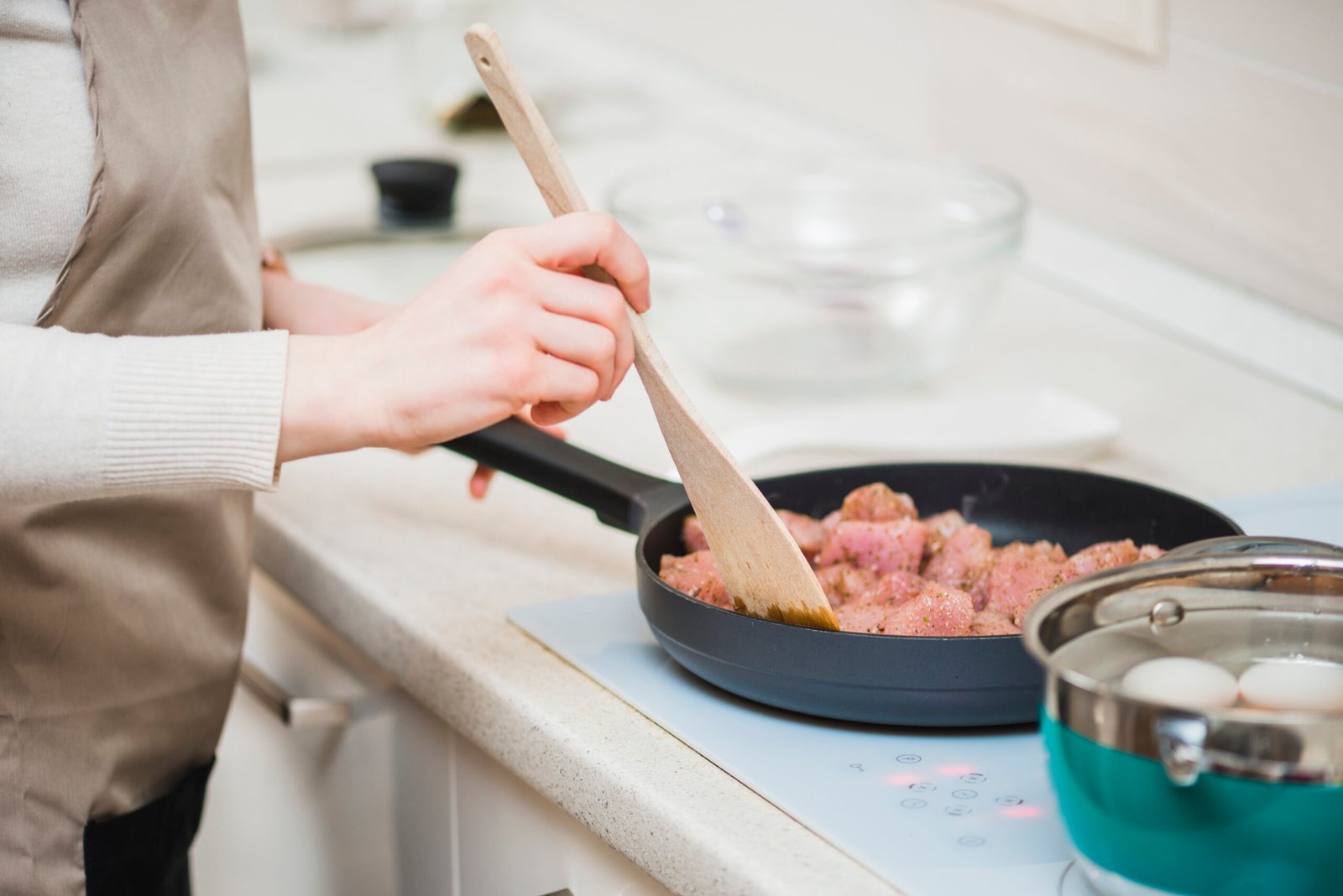
Start with a completely dry pan. Any moisture will create steam instead of crispness. Place your chosen pan on the stove over medium high heat. Don’t add oil or butter because pizza already contains enough fat in the cheese and any meat toppings.
Let the pan preheat for 3 to 5 minutes until it’s very hot. You can test the temperature by flicking a tiny drop of water onto the surface. The water should sizzle and evaporate immediately. A properly heated pan is crucial for crispy crust.
While the pan heats, take your pizza out of the refrigerator. Cold pizza actually works better than room temperature pizza for this method. The cold cheese gives you more time to crisp the crust before the cheese burns.
Place your pizza slices in the hot pan without overlapping them. You should hear an immediate sizzle when the crust hits the metal. This sizzle means the bottom is crisping properly. If you don’t hear sizzling, your pan wasn’t hot enough.
Let the pizza cook uncovered for 2 minutes. Don’t move it around or peek underneath. The crust needs uninterrupted contact with the hot surface to develop crispiness. You’ll smell the crust getting toasty after about 90 seconds.
Add 2 to 3 drops of water to the pan away from the pizza slices. Immediately cover the pan with a lid. The water creates steam that melts the cheese and heats the toppings. This is the secret that makes the hot pan method work so well.
Cook covered for another 2 to 3 minutes. The exact time depends on how thick your pizza is and how melted you want the cheese. Thin crust pizza needs only 2 minutes while thick crust might need 4 minutes total covered time.
Remove the lid and check your pizza. The bottom should be golden brown and crispy. The cheese should be fully melted and possibly bubbling slightly. If it needs more time, cover again for another 30 to 60 seconds.
Temperature Control for Different Pizza Styles
Different pizza types need slightly different heat levels. Knowing how to adjust helps you get perfect results every time.
Thin crust pizza like New York style works best with medium high heat. This usually means setting your burner to 7 or 8 out of 10. The thin crust crisps quickly, so you don’t need maximum heat. Too much heat burns thin crust before the cheese melts.
Thick crust or deep dish pizza needs slightly lower heat but longer cooking time. Set your burner to 6 out of 10 and add an extra minute or two to the covered cooking phase. Thick crust takes longer to heat through to the center.
Detroit style and Sicilian pizza with their focaccia like crusts benefit from medium heat and more steam. Use 3 to 4 drops of water instead of 2 to 3 when you cover the pan. The extra moisture helps reheat the thick, airy crust without drying it out.
Neapolitan pizza with its very thin, leopard spotted crust needs a gentle approach. Use medium heat and watch it carefully because the delicate crust can burn in seconds. You might need only 90 seconds uncovered instead of the full 2 minutes.
Stuffed crust pizza requires the most patience. The thick edges need time to heat through. Use medium low heat and cook covered for 4 to 5 minutes. Check the bottom crust occasionally to make sure it’s not burning while the cheese stuffed edges heat up.
Timing Guide for Perfect Cheese and Crust
Getting the timing right means knowing what to look for at each stage. Your senses tell you more than any timer can.
The first 2 minutes uncovered are all about the crust. Listen for consistent sizzling throughout this phase. If the sizzling stops, your heat is too low. If you smell burning before 2 minutes are up, your heat is too high.
Watch for steam starting to rise from the cheese during the uncovered phase. This means the top of the pizza is beginning to warm up from the heat conducting through the crust. Steam appearing is your signal that it’s almost time to add water and cover.
When you add those drops of water and cover the pan, you’ll hear vigorous sizzling as the water hits the hot surface. This burst of steam is what melts the cheese properly. The lid traps this steam and creates a mini oven environment.
After 1 minute covered, you can carefully lift the lid to check progress. The cheese should look shiny and starting to soften. If it still looks completely cold and hard, give it another minute before checking again.
At the 2 to 3 minute covered mark, your cheese should be fully melted with possible bubbles forming. Small bubbles in the cheese indicate it’s perfectly heated. If you want cheese that’s starting to brown on top, leave it covered for another 30 to 60 seconds.
The final check involves lifting a slice with a spatula to inspect the bottom. You want golden brown color with some darker spots. The crust should feel firm and crispy, not soft or bendable. A properly reheated slice will hold its shape when you lift it.
Common Mistakes That Ruin Reheated Pizza
Even with good instructions, people make errors that prevent perfect results. Learning what not to do saves you from disappointment.
Using too much water when steaming creates a soggy crust. You only need 2 to 3 drops, which sounds like nothing but it’s enough. More water means more steam than necessary, and excess moisture makes the bottom crust lose its crispiness.
Not preheating the pan long enough is the most common mistake. An insufficiently heated pan won’t crisp the crust properly. You’ll end up with warm pizza that still has a soft bottom. Always preheat for the full 3 to 5 minutes even though it feels like a long time.
Covering the pan too early traps moisture before the bottom crust gets crispy. Those first 2 minutes uncovered are essential. Skipping or shortening this phase means you’ll never achieve the crispy texture you want.
Overlapping pizza slices in the pan causes uneven heating. The overlapped areas steam instead of crisp and the toppings don’t heat properly. Cook slices in batches rather than crowding them all in at once.
Using oil or butter in the pan seems like it would help but it actually makes pizza greasy. Pizza already contains plenty of fat from cheese and toppings. Adding more fat doesn’t improve crispiness and can make the crust taste heavy.
Reheating straight from frozen pizza doesn’t work well with this method. Frozen pizza needs to thaw first, ideally in the refrigerator overnight. The hot pan method works best on refrigerated leftover pizza, not frozen pizza.
How to Store Pizza for Best Reheating Results
The way you store leftover pizza affects how well it reheats. Proper storage preserves texture and prevents your pizza from drying out or getting soggy.
Let pizza cool to room temperature before storing. Hot pizza creates condensation in containers, which adds moisture that makes crust soggy. Cooling takes about 20 to 30 minutes depending on how much pizza you have.
Stack slices with parchment paper or wax paper between each layer. This prevents cheese from sticking to the slice above it. Without paper between slices, you’ll tear toppings off when separating them later.
Airtight containers work better than plastic wrap for storing pizza. Containers protect the crust from drying out while preventing odors from your refrigerator getting into the pizza. Glass or plastic containers both work fine.
Avoid aluminum foil for storing pizza longer than a few hours. Foil doesn’t create an airtight seal, so your crust will dry out overnight. Foil is fine for covering pizza you’ll eat within 2 to 3 hours but not for overnight storage.
Store pizza in the refrigerator for up to 4 days maximum. After 4 days, quality declines significantly and food safety becomes questionable. Most pizza tastes best reheated within 2 days of ordering.
Freeze pizza if you won’t eat it within 4 days. Wrap individual slices tightly in plastic wrap, then place them in a freezer bag. Frozen pizza keeps for 2 months. Thaw frozen slices in the refrigerator overnight before reheating.
Adapting the Method for Different Toppings
Different pizza toppings require small adjustments to the hot pan method. What works for pepperoni might not work perfectly for veggie supreme.
Meat heavy pizzas like pepperoni, sausage, or bacon handle high heat well. These pizzas can take the full medium high heat without problems. The meat releases some fat during reheating which actually helps crisp the crust even more.
Vegetable topped pizzas need slightly gentler treatment. Vegetables release moisture when heated, and too much heat can make them shrivel or burn. Use medium heat instead of medium high and possibly add an extra 30 seconds to the covered cooking time.
Delicate toppings like fresh basil, arugula, or prosciutto should be removed before reheating and added back after. Heat destroys these fresh ingredients. Take them off, reheat the pizza, then place them back on the hot slice.
White pizza without tomato sauce can burn more easily because there’s less moisture. Use medium heat and watch carefully during the uncovered phase. The cheese might brown faster without tomato sauce protecting it.
Extra cheese pizzas need more time in the covered phase to melt all that cheese. Add an extra minute of covered cooking time. Check to make sure the bottom isn’t burning while you wait for all the cheese to melt.
BBQ chicken and other sauce heavy pizzas sometimes stick to the pan. A very light spray of cooking oil before heating can help, but use it sparingly. You want just enough to prevent sticking without making the pizza greasy.
Alternative Pan Methods for Special Situations
Sometimes you need to adjust the basic method based on what you have available or the results you want.
The oven assist method combines stovetop and oven for thick pizzas. Start the pizza in a hot skillet on the stove for 2 minutes. Then transfer the whole pan to a 400°F oven for 3 to 4 minutes. This ensures the thick crust heats all the way through while staying crispy.
Two pan method works when you want to reheat a whole pizza instead of slices. Use two large skillets, one as the base and one inverted as a lid. This creates better heat circulation than a regular lid. Heat both pans, add the pizza to one, and cover with the inverted hot pan.
The broiler finish gives you restaurant oven char on the cheese. After the standard hot pan method, remove the lid and place the whole skillet under your broiler for 30 to 60 seconds. Watch it constantly because broilers can burn cheese in seconds.
No lid solution uses aluminum foil if you don’t have a pan lid. Create a tight foil tent over your pan after adding water. The foil traps steam almost as well as a lid. Make sure the foil doesn’t touch the cheese or it will stick.
Multiple slice rotation helps when feeding several people. Heat 2 slices using the standard method, then keep them warm in a 200°F oven while you heat the next batch. This way everyone gets hot pizza at the same time.
Tools and Equipment That Make the Process Easier
Having the right tools makes the hot pan method simpler and safer. You don’t need much, but these items help.
A lid that fits your pan properly is essential. Glass lids let you watch the cheese melt without lifting the lid and releasing steam. Metal lids work fine too but you’ll need to lift them to check progress.
A thin metal spatula helps you slide under the pizza without tearing it. Plastic spatulas can melt on a hot pan. Get a spatula with a long handle so your hand stays away from the heat.
Oven mitts or pot holders protect your hands when handling hot pans. The pan handle gets extremely hot during this method. Silicone oven mitts work better than cloth because they grip better and resist heat longer.
A splatter screen placed over the pan during the uncovered phase prevents grease from popping onto your stove. This is especially helpful with meat topped pizzas. The screen still allows moisture to escape while containing splatters.
An instant read thermometer takes the guesswork out of timing. The center of your pizza should reach 165°F to be properly heated through. This matters most for thick crust pizzas where the center might still be cold even when the outside is hot.
Tongs make it easier to place and remove pizza slices from the hot pan. They give you better control than your hands and keep you further from the heat. Long handled tongs work best for safety.
Comparing Hot Pan Method to Other Popular Techniques
Understanding how this method stacks up against alternatives helps you choose the right reheating method for different situations.
The air fryer method produces crispy results but in a different way. Air fryers circulate hot air around the pizza, crisping all surfaces including the top crust edge. This creates a different texture than the hot pan method. Air fryers work great but take 5 to 8 minutes versus 4 to 5 for hot pan.
Toaster oven reheating offers convenience but less control. You put the pizza in and wait. Results are decent but the bottom never gets as crispy as the hot pan method delivers. Toaster ovens shine when reheating multiple slices at once.
Microwave with a glass of water is a popular hack that doesn’t work as well as people claim. The water adds moisture to prevent the pizza from drying out, but it also keeps the crust soft. You get warm, edible pizza but not crispy, delicious pizza.
Regular oven at high heat on a preheated pizza stone comes closest to the hot pan method. A stone heated to 500°F crisps the bottom nicely. This takes longer though because you need to preheat the oven and stone for at least 30 minutes.
The grill method works well in summer when you don’t want to heat up your kitchen. Preheat your grill, place pizza directly on the grates, and close the lid for 3 to 4 minutes. This creates a smoky flavor and crispy bottom but requires going outside.
Cold pizza eaten straight from the fridge has its fans. Some people genuinely prefer cold pizza for breakfast. There’s no wrong way to eat pizza if you enjoy it, but cold pizza doesn’t compare to properly reheated pizza in terms of texture and flavor.
Troubleshooting When Results Aren’t Perfect
When your reheated pizza doesn’t turn out right, specific problems have specific solutions.
Burnt bottom with cold cheese means your heat was too high. Lower your burner setting by one or two numbers next time. You might also need to add the water and cover sooner, around the 90 second mark instead of waiting the full 2 minutes.
Soggy crust usually comes from too much water or covering too early. Use fewer drops of water, maybe just 1 or 2 instead of 3. Make sure you let the pizza cook uncovered for the full 2 minutes before adding any water.
Cheese that won’t melt indicates your covered cooking time was too short or your pan lid wasn’t trapping heat well. Add another minute to the covered phase. Check that your lid fits snugly without big gaps where steam can escape.
Unevenly heated pizza happens when slices overlap or the pan has hot spots. Make sure slices lie flat without touching. Rotate the pan 180 degrees halfway through the uncovered cooking phase to even out any hot spots.
Sticking pizza means the pan wasn’t hot enough when you added the slices. A properly preheated pan should crisp the bottom quickly enough that sticking isn’t an issue. You can use a tiny amount of oil if sticking continues.
Dried out toppings result from cooking uncovered too long. Reduce the uncovered phase to 90 seconds instead of 2 minutes. Add the water and cover sooner to preserve moisture in the toppings.
Making Hot Pan Pizza Work in Different Living Situations
Not everyone has a full kitchen setup. These adaptations help people in various living situations.
Dorm room residents with only a hot plate can use this method. Single burner hot plates work fine as long as they get hot enough. Test your hot plate with the water drop method to make sure it reaches proper temperature.
RV and camper van dwellers benefit from this method because it’s faster than heating a whole oven. Propane stove burners work perfectly for the hot pan technique. The method uses less fuel than running an RV oven.
People with electric stoves need to adjust timing slightly. Electric burners take longer to heat up but hold temperature more steadily than gas. Preheat your pan for 5 to 7 minutes on electric instead of 3 to 5 minutes.
Gas stove users get the most responsive temperature control. You can adjust heat instantly if the pizza starts cooking too fast or too slow. Gas burners work perfectly for this method with no special adjustments needed.
Induction cooktop owners should know that only magnetic pans work on induction. Cast iron works great, but copper or aluminum pans won’t heat at all. Induction heats very quickly, so watch your pizza carefully to prevent burning.
Small apartment kitchens where you want to avoid oven heat benefit from this stovetop method. During summer, heating a whole oven makes your apartment uncomfortably hot. The hot pan method generates minimal heat in your kitchen.
The Science Behind Why This Method Works So Well
Understanding the science helps you adjust the technique for your specific situation and preferences.
The Maillard reaction creates the delicious crispy crust. This chemical reaction happens when proteins and sugars in the dough reach about 300°F. Direct contact with a hot pan gets the crust to this temperature quickly while the oven method takes much longer.
Heat transfer happens three ways during the hot pan method. Conduction from the hot pan crisps the bottom. Convection from trapped steam melts the cheese. Radiation from the hot pan heats the pizza from below. This combination creates perfect results.
Steam from the water drops raises the humidity inside the covered pan. Higher humidity lowers the temperature needed to melt cheese. This means you can crisp the bottom at high heat while still melting the cheese without burning it.
Moisture content in pizza crust changes during storage. Refrigerated pizza loses moisture from the crust surface, which actually helps with reheating. Slightly dried out crust crisps better than fresh soft crust.
Fat rendering from cheese and meat toppings helps crisp the crust. As cheese melts, it releases some fat that drips down into the crust. This fat conducts heat even better than the pan alone, contributing to crispiness.
Temperature gradient from bottom to top creates the ideal texture profile. The bottom reaches 400°F plus for crispiness while the top stays around 165°F to prevent burning. This gradient is harder to achieve with oven heating alone.
Health and Safety Considerations
Reheating food safely matters for your health. Following proper practices prevents foodborne illness.
Pizza must reach 165°F internal temperature to be safe to eat. This is the FDA recommended temperature for reheating leftovers. The hot pan method easily achieves this temperature throughout the slice.
Never leave pizza at room temperature for more than 2 hours total. This includes the time between delivery and refrigeration plus any time out while reheating. Bacteria multiply rapidly at room temperatures.
Discard pizza that’s been refrigerated longer than 4 days. Even if it looks and smells fine, bacterial growth may have occurred. The risk isn’t worth saving a slice or two of old pizza.
Reheating pizza only once is safest. Each heating and cooling cycle gives bacteria opportunities to grow. Don’t reheat the same slice multiple times even if you didn’t finish it.
Cross contamination from raw meat on cutting boards can transfer to pizza. Use clean utensils and surfaces when handling leftover pizza. Wash your hands before and after handling pizza.
Burn prevention matters when using the hot pan method. The pan gets extremely hot and stays hot for several minutes after removing from heat. Always use proper hand protection and keep the hot pan away from children.
Professional Chef Tips for Restaurant Quality Results
Chefs who work with pizza professionally use techniques that home cooks can copy.
Preheating your oven to 200°F gives you a warming drawer for keeping reheated slices hot. Heat your first batch in the pan, then hold it in the warm oven while you cook more slices. Everyone gets to eat hot pizza together.
Finishing with fresh herbs elevates reheated pizza significantly. Add fresh basil, oregano, or parsley right after reheating. The residual heat releases the herb oils without cooking them.
A drizzle of good olive oil on the crust edge before reheating adds richness. Use just a tiny amount brushed on the outer crust. This creates a golden, flavorful edge that tastes professionally done.
Grating fresh parmesan over the pizza right after reheating adds a flavor boost. The hot cheese melts the fresh parmesan slightly. This trick makes even mediocre pizza taste much better.
Resting the pizza for 30 seconds after reheating lets the cheese set slightly. This prevents all the toppings from sliding off when you take a bite. Professional pizza makers always let pizza rest briefly.
Cutting properly reheated pizza with a sharp knife or pizza cutter instead of tearing it with your hands preserves the presentation. Clean cuts look better and prevent toppings from falling off.
Cost Comparison and Money Saving Benefits
Reheating pizza properly saves money by reducing food waste. Understanding the economics makes the effort worthwhile.
A large pizza costs $15 to $25 depending on toppings and where you order. Most people eat 2 to 3 slices and refrigerate the rest. If you throw away 4 slices because microwave reheating makes them unappetizing, you’ve wasted $8 to $12.
Learning to reheat pizza properly means you’ll actually eat those leftovers. Over a year, if you order pizza twice monthly, proper reheating could save you $200 or more in wasted food.
Energy costs favor the stovetop method over oven reheating. Running a burner for 5 minutes costs about 3 to 5 cents. Heating a full oven to 450°F and running it for 10 minutes costs 15 to 25 cents. The hot pan method uses 70% less energy.
Buying pizza on sale for later consumption makes sense when you can reheat it properly. Many pizza chains offer 50% off deals on slow days. Buy pizza on sale, eat some fresh, and reheat the rest perfectly later.
Making your own pizza becomes more appealing when you know leftovers will taste great. Homemade pizza costs $5 to $8 for a large pizza versus $20 plus for delivery. Perfect reheating means you can make pizza in bigger batches.
Conclusion
The hot pan method transforms leftover pizza from something you tolerate into something you actually look forward to eating. This simple technique using a preheated pan, a few drops of water, and a lid creates results that rival fresh pizza. Your crust gets crispy, your cheese melts perfectly, and you finish eating in about 5 minutes from start to finish.
The key steps are straightforward. Preheat your cast iron or stainless steel pan over medium high heat for 3 to 5 minutes. Add cold pizza slices and let them cook uncovered for 2 minutes. Drop 2 to 3 drops of water in the pan away from the pizza, cover immediately, and cook for another 2 to 3 minutes. Check for golden brown crust on the bottom and melted cheese on top.
This method works for any pizza style from thin crust New York slices to thick Chicago deep dish. Small adjustments in heat level and timing let you customize results for your preferences. You’ll never waste leftover pizza again because reheated slices taste too good to throw away.
Stop settling for soggy microwave pizza or throwing away food you paid good money for. Try the hot pan method tonight with your leftover pizza. You’ll immediately taste the difference and wonder why you didn’t learn this technique years ago. Your pizza deserves better than the microwave, and now you know exactly how to give it the reheating it deserves.