Introduction
Here is something most people do not know. Sicily is one of the oldest continuously inhabited places on earth, and its cooking methods go back more than 2,500 years. The Sicilian oven is at the center of that history. It is not just a cooking tool. It is a cultural symbol that has shaped the way an entire island eats, bakes, and gathers together.
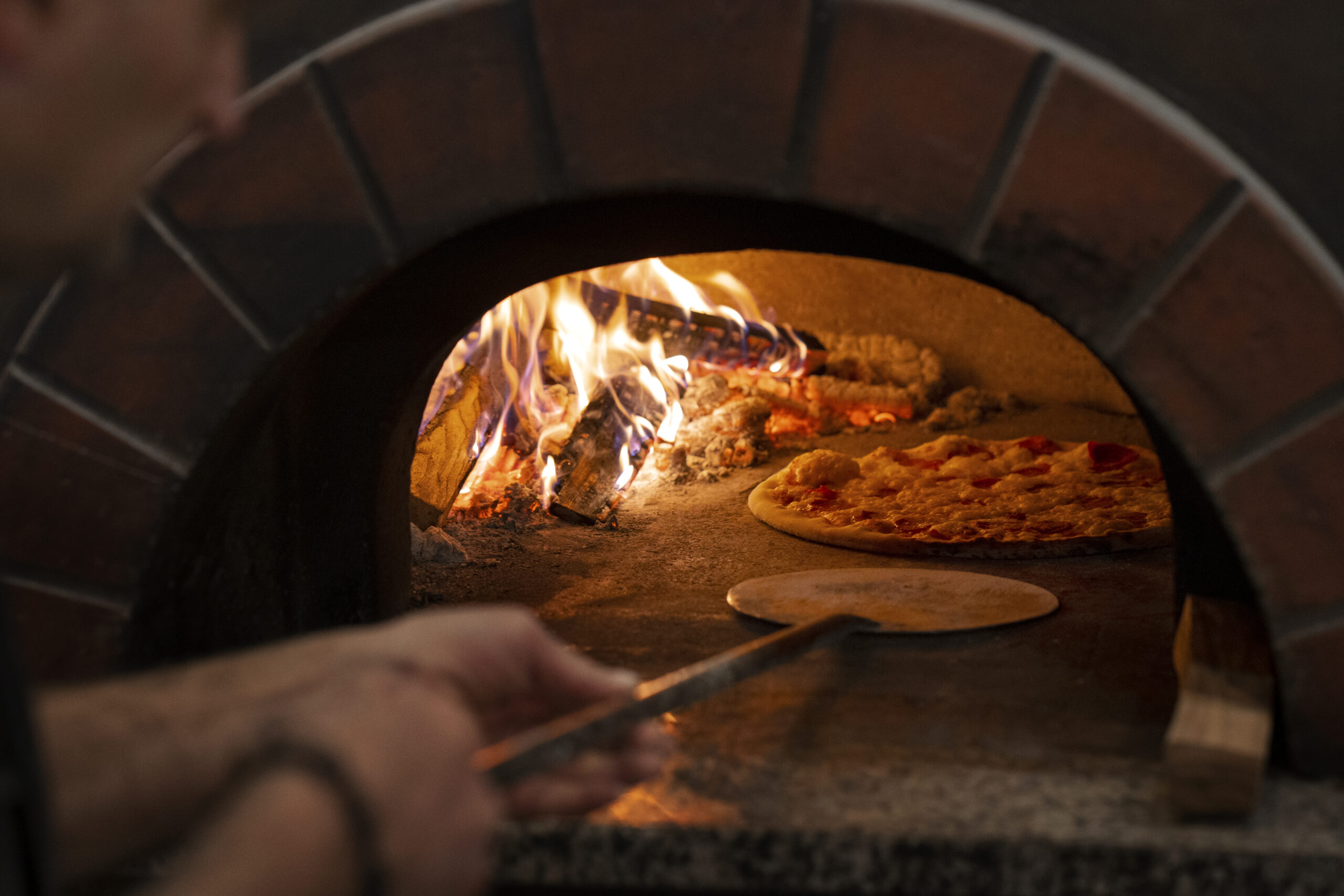
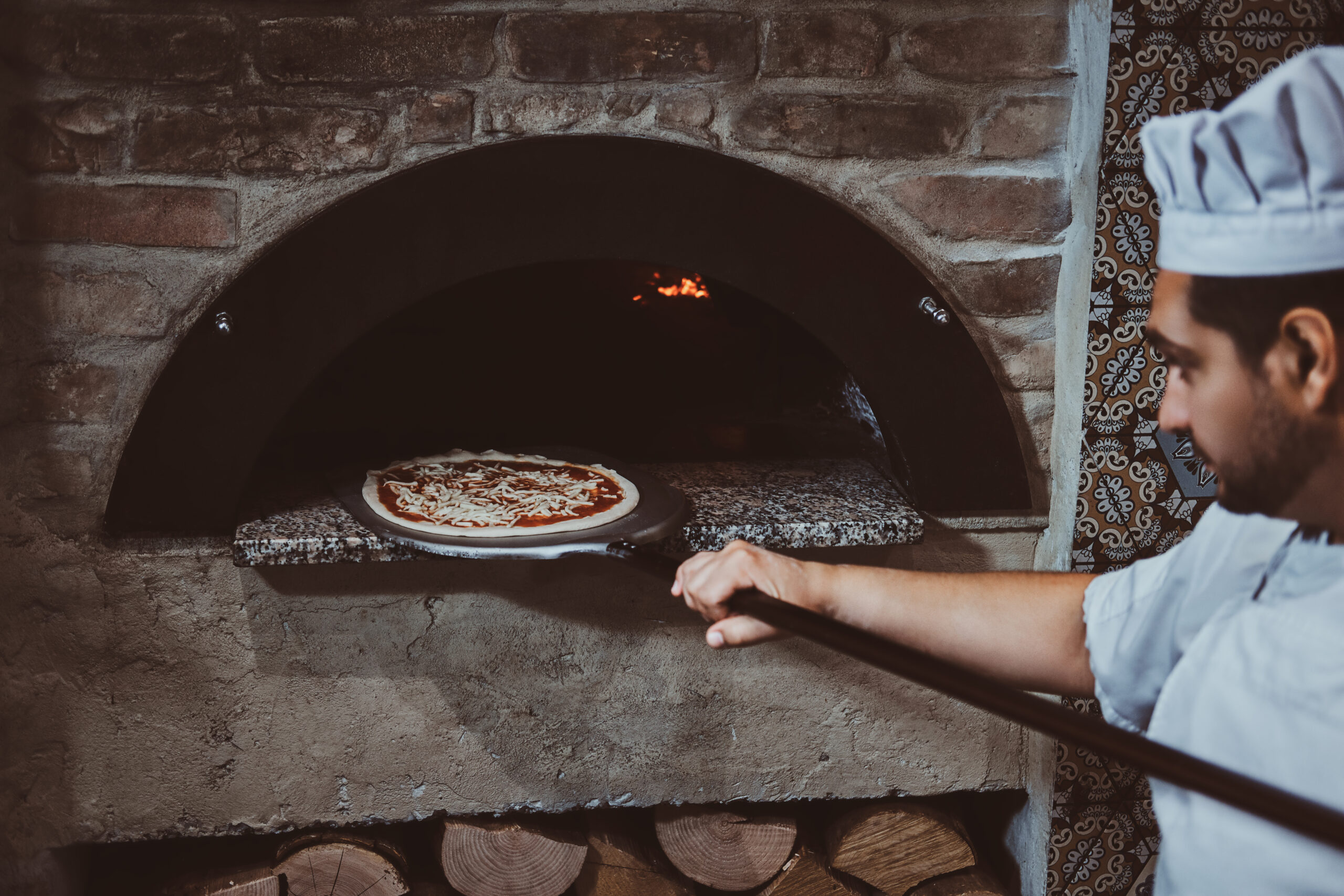
The Sicilian oven, known locally as the forno siciliano, is a wood fired dome oven built from stone, brick, or clay. It reaches temperatures that a modern kitchen oven could never touch, often exceeding 900 degrees Fahrenheit. At those temperatures, food cooks in ways that are simply impossible in a regular oven. Pizza crust blisters perfectly in 90 seconds. Bread develops a crackling crust with a soft, airy interior. Roasted meats take on a deep, smoky richness that defines Sicilian cuisine.
In this article, you will learn what a Sicilian oven actually is, how it was built and used throughout history, what makes it different from other wood fired ovens, and how you can bring that cooking style into your own life. Whether you are curious about buying one, building one, or just cooking Sicilian food at home, this guide covers everything you need.
What Is a Sicilian Oven and Where Did It Come From
The Sicilian oven is a type of dome shaped, wood fired oven that has been used across Sicily for thousands of years. The shape is not an accident. The dome design is one of the most efficient structures ever created for trapping and distributing heat. When wood burns inside a domed space, the heat rises, reflects off the curved ceiling, and radiates evenly down onto the cooking surface. Every inch of the oven floor receives consistent, intense heat.
Sicily sits at the crossroads of the Mediterranean. Over the centuries, it was settled and influenced by the Greeks, Romans, Arabs, Normans, and Spanish. Each culture brought its own food traditions, but the wood fired oven remained a constant thread through all of them. The Greeks built communal ovens in their colonies across Sicily as early as 700 BC. The Romans refined the design and spread it across their empire. Arab settlers who arrived in the 9th century introduced new spices and ingredients but kept the same oven structure because it worked so well.
What emerged over centuries of use and refinement is the classic forno siciliano. It is typically built from volcanic stone or terracotta bricks, materials that are naturally abundant across the island. These materials hold heat exceptionally well. The floor of the oven is usually made from smooth, flat stones or refractory tiles that absorb and retain heat for hours after the fire dies down. This stored heat is one of the defining features of the Sicilian oven.
How a Sicilian Oven Works: The Science Behind the Heat
Understanding how a Sicilian oven works helps explain why the food it produces tastes so different from anything cooked in a modern appliance. The science is straightforward, but the results are remarkable.
When you light a fire inside the dome, three types of heat work together at once. The first is conduction, which is the direct heat transferred from the hot stone floor to the bottom of whatever you are cooking. The second is convection, which is the hot air moving around inside the dome and cooking food from all sides. The third is radiant heat, which comes from the glowing dome ceiling and walls and acts almost like a broiler above the food. No modern oven combines all three heat sources this effectively.
The thermal mass of the stone or brick walls plays a huge role. These thick walls absorb heat during the firing process, which can take one to three hours depending on the size of the oven. Once the walls reach full temperature, they hold that heat for a very long time. A well built Sicilian oven that has been fired properly can maintain cooking temperatures for six to eight hours or more. This is why traditional Sicilian bakers would fire the oven once in the early morning and then bake bread, roast meat, and slow cook stews in sequence, using the gradual drop in temperature for different dishes throughout the day.
The type of wood used also matters. Sicilian bakers traditionally used hardwoods like oak, olive, almond, and citrus wood. These dense woods burn hot and long, produce minimal ash, and some of them, particularly olive and citrus wood, add a subtle, aromatic quality to the food. Softwoods and treated lumber are never used because they burn too quickly and can release harmful chemicals.
The Difference Between a Sicilian Oven and a Neapolitan Pizza Oven
Many people assume all wood fired ovens are the same. They are not. While the Sicilian oven and the famous Neapolitan pizza oven share a common ancestry, they have some important differences that affect how they cook and what they are best suited for.
The Neapolitan pizza oven, officially recognized by Italian law for making pizza napoletana, is specifically optimized for cooking pizza at extremely high temperatures. These ovens are typically smaller, lighter, and reach temperatures between 800 and 1000 degrees Fahrenheit at the dome. They cook a single pizza in 60 to 90 seconds. The design is almost purely focused on that one task, though skilled cooks use them for other things too.
The Sicilian oven is generally larger and built with more thermal mass. It is designed to be a multipurpose workhorse. Baking bread, roasting whole animals, slow cooking legumes, drying tomatoes, and yes, making pizza are all traditional uses. The larger size means it takes longer to heat up, but it also holds heat for much longer and can cook more food at once. A traditional Sicilian forno might be large enough to bake twenty loaves of bread in a single session.
The floor of a Sicilian oven is also typically thicker than that of a Neapolitan oven. This added thickness stores more heat in the cooking surface, which is essential for baking bread. Pizza needs a fast blast of heat from above. Bread needs steady, sustained heat rising from below. The thick floor of the Sicilian oven delivers exactly that.
Traditional Foods Cooked in a Sicilian Oven
The Sicilian oven was never just about pizza. It sits at the heart of an entire culinary tradition, and the list of foods it has been used to prepare is long and impressive. Each dish benefits from the oven’s unique combination of high heat, radiant warmth, and slow heat decay.
Bread is probably the most important food associated with the Sicilian oven. Pane di casa siciliano, the traditional Sicilian house bread, is made with durum wheat semolina flour and has a dense, golden crumb with a thick, crackling crust. This bread simply cannot be replicated in a modern oven. The high initial heat creates the crust almost immediately, trapping steam inside the loaf and forcing the interior to expand into a light, open structure. As the oven cools, the bread finishes baking slowly and develops deep flavor.
Sicilian pizza, known as sfincione, is different from Neapolitan pizza. It is thick, soft, and rectangular, topped with tomato sauce, onions, anchovies, caciocavallo cheese, and breadcrumbs. Sfincione is baked in the oven at a slightly lower temperature than pizza napoletana, around 500 to 600 degrees Fahrenheit, so the thick dough has time to cook through before the top burns. The result is a fluffy, chewy interior with a slightly crispy bottom and a deeply savory, caramelized topping.
Arancini, the famous Sicilian stuffed rice balls, are traditionally fried, but some regions of Sicily have adapted them for the wood fired oven. Baked arancini develop a crispy exterior without the extra fat from frying. Roasted lamb, whole suckling pig, and stuffed peppers are also classic wood fired oven dishes across Sicily. The intense radiant heat caramelizes the outside of meats while keeping the inside juicy in a way that roasting in a conventional oven cannot quite match.
Sicilian Oven Design: What Makes a Good One
If you are thinking about building or buying a Sicilian style oven, knowing what goes into a quality design is important. Not all wood fired ovens are built the same way, and the materials and dimensions matter a great deal.
The floor of the oven is the most critical component. It should be made from dense, refractory material that can withstand extreme temperature changes without cracking. Refractory bricks, sometimes called fire bricks, and certain types of volcanic stone are the best options. The floor needs to be at least two to three inches thick to store enough heat for bread baking. Thinner floors heat up faster but cool down quickly and cannot sustain the even temperature that bread requires.
The dome height relative to the oven floor diameter is another key factor. The ratio of dome height to diameter affects how heat flows inside the oven. A dome that is too tall loses heat too quickly because hot air rises and escapes instead of reflecting back down. A dome that is too low creates uneven heat distribution. Traditional Sicilian ovens typically have a dome height that is about 60 to 63 percent of the internal diameter. This ratio has been refined over centuries and produces the best cooking environment.
The entry opening, or mouth, of the oven controls airflow and heat retention. A properly sized opening is about 60 to 65 percent of the dome height. Too large an opening allows too much heat to escape and makes temperature control difficult. Too small an opening restricts airflow and makes the fire harder to manage. The door, usually made from wood or metal, is placed in the opening when cooking to trap heat and regulate temperature.
Building Your Own Sicilian Style Oven: What You Should Know
Building a Sicilian oven is a serious project, but it is absolutely achievable for a motivated homeowner. Thousands of people around the world have built their own wood fired ovens, and communities online share detailed plans, photos, and advice freely. Before you start, there are several things to think through.
Location is the first consideration. The oven needs to be outdoors or in a space with serious ventilation and a proper chimney. Wood fires produce smoke and carbon monoxide, so indoor placement requires professional engineering and specific permits. Most home builders place their ovens in a backyard, covered by a pergola or roof structure to protect it from rain. The foundation needs to support a significant weight. A medium sized oven, including its base, can weigh 1,500 to 3,000 pounds or more.
Materials are the second big decision. You can use refractory fire bricks for the dome and floor, which are designed specifically for high temperature use. Regular clay bricks and mortar will crack under the thermal stress of a wood fire. Make sure everything that touches the cooking chamber is rated for high heat. The outer layer of the oven can be built from regular brick or covered in stucco, but the inner dome must be refractory material.
Plan for the curing process before you cook your first meal. A newly built oven must be cured, which means drying it out slowly with a series of small fires over several days. Rushing this process causes the mortar and bricks to crack as the moisture inside expands too quickly. Start with a small paper fire and gradually increase the size over four to seven days. After curing, your oven is ready for its first real cook.
Buying a Sicilian Style Wood Fired Oven: What to Look For
Not everyone wants to build from scratch, and that is completely fine. There is a strong market for prefabricated and modular wood fired ovens that replicate the performance of a traditional Sicilian forno without requiring you to lay a single brick. Knowing what to look for helps you avoid wasting money on a poorly made product.
Look for ovens made from genuine refractory materials. Some budget options use cast iron or thin steel shells, which do not have the thermal mass to cook like a real stone oven. They heat up quickly but cool down just as fast and produce inconsistent results. A genuine refractory oven will be heavy, often requiring professional delivery and installation.
The floor thickness should be at least two inches, and three inches is even better for bread baking. Ask about the material specifically. High density firebrick or cordierite stone are excellent choices. Cordierite is the same material used in professional pizza oven floors and handles thermal shock exceptionally well.
Consider the oven diameter carefully. A 24 inch interior diameter oven is fine for one or two pizzas at a time. A 32 inch oven gives you room for multiple pizzas or a good sized bread bake. A 36 inch or larger oven gets into the commercial and semi professional range. Think about how many people you typically cook for and choose accordingly
How to Fire and Use a Sicilian Oven
Getting the most out of a wood fired oven takes some practice. The first few times can feel unpredictable, but once you get a feel for your oven, the process becomes second nature. Here is how to do it right.
Start by building a small fire in the center of the oven floor using dry kindling and a couple of small pieces of hardwood. Never use accelerants like lighter fluid or gasoline. Let the fire grow gradually by adding slightly larger pieces of wood every ten to fifteen minutes. As the fire grows, you will notice the dome above starting to blacken from soot. This is normal and expected.
After about 45 minutes to an hour, something remarkable happens. The black soot on the dome starts burning off, and the dome turns white or light gray. This is called the clearing of the dome, and it is the traditional sign that the oven has reached pizza cooking temperature. At this point, the oven is above 700 degrees Fahrenheit at the dome and is ready for pizza and flatbreads.
For bread baking, you want to let the fire die down to embers and then sweep the coals to one side. Use a long handled brush to clean ash off the floor. The floor temperature should be around 450 to 550 degrees Fahrenheit for most breads. You can test the floor temperature by sprinkling a small pinch of flour on the surface. If it turns brown in about 10 seconds, the floor is ready. If it burns instantly, wait a few more minutes. A proper oven thermometer makes this process much more precise.
Caring for Your Sicilian Oven: Maintenance Tips
A well maintained Sicilian oven can last for decades, even generations. Traditional Sicilian families passed down their ovens from grandparents to grandchildren. With proper care, your oven can do the same.
Keep the oven covered when not in use. Rain is the biggest enemy of a wood fired oven. Water seeps into the masonry, expands when it freezes, and causes cracks and crumbling over time. A simple waterproof cover or a permanent roof structure over the oven protects it from weather damage and extends its life significantly.
After each use, let the oven cool completely before closing it up. Do not cover a hot oven because trapped heat and steam can damage the materials. Once the oven is completely cool, sweep out the ash and remove any food residue from the floor. Built up ash acts as an insulator and reduces the oven’s ability to heat up evenly over time.
Check the dome and floor for cracks regularly. Small hairline cracks are normal and generally not a problem. Larger cracks that penetrate the full thickness of the brick or stone need to be repaired with refractory mortar before they spread. Catching damage early saves you from a much more expensive repair later. If you live in a climate with harsh winters, consider covering the oven with a tarp or moving any removable parts indoors during the coldest months.
Sicilian Oven vs Modern Oven: An Honest Comparison
People sometimes ask whether a Sicilian oven is really worth the effort and expense compared to just using a modern kitchen oven. It is a fair question, and the honest answer depends on what you want to cook and why you are cooking it.
| Feature | Sicilian Wood Fired Oven | Modern Kitchen Oven |
|---|---|---|
| Maximum Temperature | 700 to 1000°F | 500 to 550°F |
| Heat Type | Conduction, convection, and radiant combined | Primarily convection |
| Pizza Cook Time | 60 to 90 seconds | 8 to 12 minutes |
| Bread Quality | Exceptional crust and crumb | Good but not comparable |
| Fuel Cost | Low (firewood) | Moderate (gas or electric) |
| Convenience | Low to moderate (requires setup) | High |
| Capacity for Large Batches | Excellent | Limited |
| Learning Curve | Moderate to high | Low |
The modern oven wins on convenience without question. It heats up fast, holds a precise temperature, and requires zero skill to operate. For everyday cooking, it is hard to beat.
The Sicilian oven wins on results for specific foods, especially pizza, bread, and slow roasted meats. The combination of intense radiant heat, thermal mass, and wood smoke creates flavors and textures that a modern oven simply cannot produce. For people who are passionate about food and enjoy the ritual of cooking, a wood fired oven offers something that goes beyond just preparing a meal.
Sicilian Oven Culture: More Than Just Cooking
In Sicily, the forno is not just a kitchen appliance. It is a social institution. Traditionally, villages had a communal oven that families shared. Each household would prepare their bread dough at home, then carry it to the communal forno to bake. The baker, called the fornaio, managed the oven and the baking schedule. People waited together, talked, shared news, and built community around the heat of the fire.
This tradition speaks to something deeper than bread. It represents a way of life where food production was a shared, communal activity rather than a private, solitary one. The oven brought people together. Neighbors who might otherwise have little contact with each other met regularly at the forno and built relationships that lasted lifetimes.
Even today, in rural parts of Sicily, communal ovens still exist and still function much as they did centuries ago. Festivals, feasts, and celebrations in Sicilian villages often center on cooking in a wood fired oven. The entire community participates, from gathering wood to shaping dough to tending the fire. If you ever get the chance to experience this firsthand, it is unlike anything you will encounter in a modern food culture.
Getting Sicilian Oven Flavor Without a Wood Fired Oven
Not everyone can build or buy a full sized wood fired oven. That does not mean you are completely stuck. There are ways to get closer to that Sicilian oven flavor using equipment you might already own or can buy without spending thousands of dollars.
A pizza stone or baking steel placed in your home oven simulates the thermal mass of a wood fired oven floor. Put the stone or steel in your oven and preheat at the highest temperature your oven allows, usually 500 to 550 degrees Fahrenheit, for at least 45 minutes to one hour. The stone absorbs heat during that time and delivers it to the bottom of your pizza or bread the same way a wood fired floor would. Results are not identical, but they are significantly better than baking directly on a pan.
Tabletop wood fired ovens like the Ooni or Gozney Roccbox are another great option. These compact ovens reach temperatures over 900 degrees Fahrenheit and cook pizza in the same 60 to 90 second window as a full sized forno. They are designed for outdoor use, run on wood pellets, gas, or both, and cost a fraction of a built in oven. For pizza lovers who want genuine high temperature results without a major construction project, these are excellent tools.
Adding smoked salt, smoked paprika, or a drizzle of wood roasted olive oil to dishes is a small but effective way to add a hint of that smoky, wood fired quality to food cooked in a regular oven. It is not a replacement for the real thing, but it gets you a step closer.
Tips for Cooking Sicilian Food in a Wood Fired Oven
If you have access to a wood fired oven, whether your own or at a restaurant or cooking class, these practical tips will help you get the best results.
Always allow the oven to fully preheat. A common mistake is loading food in before the oven has built up enough thermal mass. The floor should feel intensely hot when you hold your hand near it, not touching it, from about six inches away. Rushing this step results in food that sticks, burns on top, and stays raw in the middle.
Use the right tools. A long handled wooden peel, which is a flat paddle, is essential for sliding bread and pizza onto the oven floor. A metal turning peel is used to rotate pizzas and lift items off the floor. These tools allow you to work safely at a distance from the intense heat. Trying to use regular kitchen tools near a 900 degree fire is genuinely dangerous.
Rotate everything you cook. Even in a well built dome oven, there are hot spots, usually closest to where the fire or embers are positioned. Rotating bread loaves and pizzas halfway through cooking ensures even browning. Check your food more frequently than you think you need to, especially when you are new to the oven. Wood fired cooking is fast, and food can go from perfect to overdone in a minute.
Let the oven tell you what it wants to cook. As the temperature drops through the day, different foods become ideal. High heat for pizza. Medium heat for bread. Lower heat for roasting and slow cooking. Working with the oven’s natural temperature decline is how traditional Sicilian cooks have always done it, and it produces extraordinary results.
Conclusion
The Sicilian oven is one of the oldest and most effective cooking tools ever created. It has survived thousands of years, multiple civilizations, and every development in modern kitchen technology because nothing has been invented that cooks food better for the specific things it was designed to do. Pizza, bread, roasted meats, and slow cooked dishes all reach their full potential in a forno siciliano.
Whether you are a home cook curious about this ancient tradition, someone planning to build or buy a wood fired oven, or just a food lover who wants to understand why Sicilian cooking tastes the way it does, the knowledge in this article gives you a solid foundation to start from.
The next step is yours. If you want to experience the difference that a wood fired oven makes, find a local restaurant or cooking class that uses one. Try making sfincione or traditional Sicilian bread at home with a pizza stone and see how it changes the texture and flavor. Or start researching your own outdoor oven build and connect with the community of passionate wood fired oven enthusiasts who share plans, tips, and encouragement freely online. The forno siciliano is waiting for you.