Introduction: Why Millions of Home Cooks Are Switching to Double Ovens
According to the National Kitchen and Bath Association, nearly 40% of kitchen remodels now include a double oven as a top priority. That number has been climbing for years, and it makes complete sense. If you have ever tried to cook a turkey and a pie at the same time, you already know the problem. One oven simply is not enough for big meals, holiday dinners, or busy family cooking.
A double oven changes everything about how you cook at home. You get two separate oven compartments, which means two different temperatures at the same time. No more waiting. No more juggling. No more sacrificing one dish so another one can bake properly. This guide will walk you through what a double oven is, how it works, which types are available, how to pick the right one, and how to use it well.
Whether you are building a new kitchen, doing a remodel, or just replacing an old appliance, this article gives you the real information you need to make a smart choice.
What Is a Double Oven?
A double oven is an appliance that has two separate oven compartments stacked on top of each other or placed side by side. Each compartment operates independently. That means you can bake a casserole at 350°F in one section while roasting vegetables at 425°F in the other. Both ovens run at the same time without affecting each other.
This is the core benefit that separates a double oven from a standard single oven. With one oven, you are always fighting for space and temperature control. With two ovens, you have the flexibility to cook multiple dishes without any compromise. It sounds simple, but the difference in your daily cooking experience is massive.
Double ovens come in several styles. Some are built into the wall. Others sit on a range with a cooktop on top. Each style fits a different kitchen layout, so knowing your space matters before you buy.
Types of Double Ovens You Should Know About
Double Wall Ovens
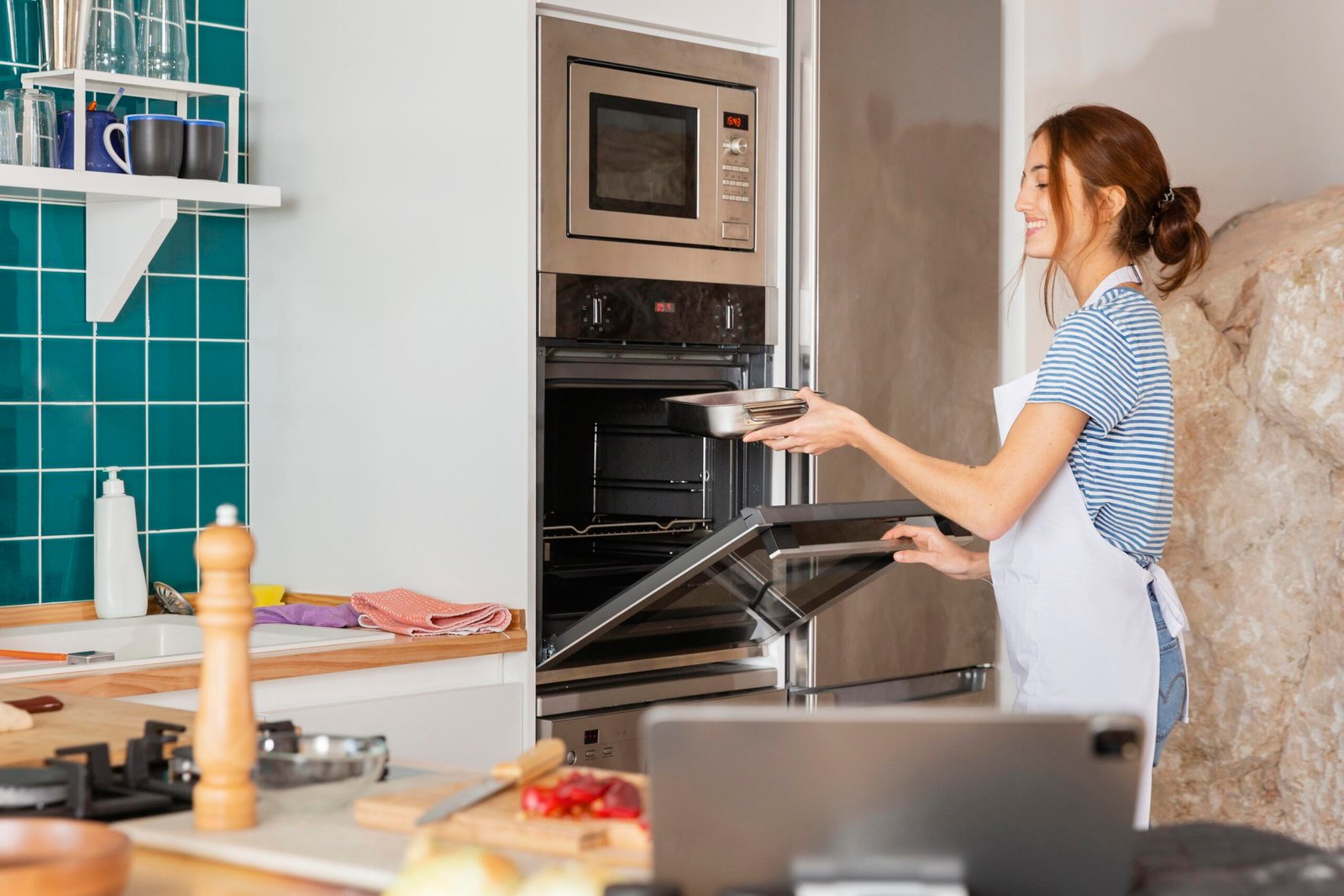
A double wall oven is installed directly into your kitchen wall. It has no cooktop attached to it. The two oven compartments are stacked vertically, with one sitting directly above the other. This style is very popular in modern kitchens because it keeps your cooking surfaces separate and gives your kitchen a clean, built-in look.
Wall ovens are usually installed at a height that keeps you from bending down too much. This makes them much easier to use for people with back problems or mobility issues. They also tend to offer larger capacity in each compartment compared to some range-style options.
Because wall ovens are built into cabinetry, installation is more involved. You will likely need a professional to cut out the proper space and wire the unit correctly. The upfront effort is worth it if you want a permanent, polished solution.
Double Oven Range
A double oven range combines a gas or electric cooktop on top with two oven cavities below. This is a freestanding unit that replaces your standard stove. The lower oven is usually the larger of the two, with a smaller secondary oven above it and below the cooktop.
This style is a great choice if you want double oven capability without adding extra appliances or reconfiguring your whole kitchen. You simply slide it into the space where your old stove was. Most double oven ranges fit in a standard 30-inch opening, making replacement straightforward.
The trade-off is that the secondary oven on a double oven range is smaller than the main oven. It works great for side dishes, bread, or smaller cuts of meat, but it may not fit a large roasting pan. If you regularly cook for big groups, a double wall oven might serve you better.
Slide-In Double Oven Range
A slide-in model is similar to a freestanding range but designed to fit flush with your countertop. The controls are on the front rather than the back, and the unit has no side panels because it is meant to sit between cabinets. This style looks more like a built-in appliance even though it is not permanently mounted.
Slide-in models are a popular choice for kitchen remodels where homeowners want an upscale look without the full commitment of a wall oven installation. They are available in both gas and electric versions and come with many of the same features as other double oven styles.
Gas vs. Electric Double Ovens: Which One Is Right for You?
One of the biggest decisions you will face is choosing between gas and electric. Both work well, but they have different strengths depending on how you cook and what your kitchen is set up for.
Gas double ovens use a gas burner to generate heat. Gas is preferred by many serious cooks because it heats up fast and you can see the flame, which gives you more direct control. Gas ovens also tend to have a moist heat environment, which some cooks find better for roasting meats. However, gas ovens can have hot spots and may heat less evenly than electric models.
Electric double ovens use heating elements to produce heat. They tend to bake more evenly, especially when convection fans are included. Electric models also tend to be more energy-efficient and easier to clean. If you do not already have a gas line in your kitchen, going electric avoids the cost of adding one.
Your final choice often comes down to what your home already supports. If you have gas, many cooks prefer to stay with it. If you are in an all-electric home, a quality electric double oven can absolutely match the performance of gas for baking and roasting.
Convection vs. Conventional: What the Difference Means for Your Food
Most modern double ovens offer at least one convection oven in the pair, if not both. Knowing the difference between convection and conventional heating helps you use your oven correctly.
A conventional oven heats from elements at the top and bottom of the cavity. The heat rises and circulates naturally, but not perfectly evenly. You sometimes need to rotate your pans to get even browning.
A convection oven adds a fan that circulates the hot air actively throughout the cavity. This even airflow means food cooks faster and more evenly on every rack. Cookies brown consistently. Roasts develop better crusts. Baked goods rise more reliably. Convection cooking also reduces cooking time by about 25%, which saves both time and energy.
Many double ovens offer what is called “true convection” or “European convection,” which adds a third heating element near the fan itself. This produces the most even results of all. If baking and roasting are important to you, look for true convection in at least one of the two oven cavities.
Key Features to Look for When Buying a Double Oven
Not all double ovens are built the same. Here are the features that genuinely matter and will affect your daily experience:
Oven Capacity
Capacity is measured in cubic feet. For most families, a main oven of 4.5 to 5 cubic feet is ideal for large roasts and full sheet pans. The second oven at 2 to 2.5 cubic feet works well for smaller dishes. Always check if your go-to pans fit before you buy.
Self-Cleaning Function
Self-cleaning is a feature where the oven heats to an extremely high temperature to burn off grease and food residue. Most modern double ovens include this in at least one cavity. Some include it in both. This feature saves real time and effort, especially after big holiday meals.
Temperature Probe
A built-in temperature probe lets you track the internal temperature of your meat without opening the oven door. This is an excellent feature for roasts and whole poultry because it removes guesswork and reduces the chance of over or undercooking.
Wi-Fi and Smart Controls
Many newer models include Wi-Fi connectivity so you can control your oven from your phone. You can preheat the oven on your way home or check the cooking progress from another room. This is genuinely useful for busy households.
Delay Start and Timer Functions
A delay start feature lets you put food in the oven and set it to start cooking at a specific time. This is helpful for meal prepping and making sure dinner is ready exactly when you need it.
Sabbath Mode
For households that observe religious dietary laws, Sabbath mode keeps the oven running continuously without requiring user interaction to keep it on. Many quality double ovens now include this feature.
How Much Does a Double Oven Cost?
Price varies widely depending on the type, brand, and features. Here is a general breakdown to set realistic expectations:
| Type | Price Range |
|---|---|
| Entry-level double oven range | $900 to $1,400 |
| Mid-range double oven range | $1,400 to $2,500 |
| High-end double oven range | $2,500 to $5,000+ |
| Entry-level double wall oven | $1,200 to $1,800 |
| Mid-range double wall oven | $1,800 to $3,500 |
| Professional or luxury wall oven | $3,500 to $10,000+ |
Installation costs add to the total. A double wall oven typically costs $200 to $500 for professional installation if no electrical changes are needed. If you need new wiring or cabinetry modifications, costs go up. A freestanding double oven range is the easiest to install and can often be done without a professional.
Best Double Oven Brands Worth Considering
GE Appliances
GE offers some of the most reliable and well-priced double ovens on the market. Their Profile and Cafe series both include excellent features like true convection, air fry mode, and Wi-Fi connectivity. GE appliances are widely available and easy to service, which matters for long-term ownership.
Whirlpool
Whirlpool is a trusted name for good reason. Their double oven ranges offer solid build quality at mid-range prices. The brand is known for durability and consistent baking performance. If you want a reliable double oven without spending a fortune, Whirlpool is worth a close look.
Samsung
Samsung has made strong gains in the appliance market. Their double oven ranges often include smart features, flex-duo technology, and air fry capability. Samsung models tend to have more tech-forward features, which appeals to modern kitchens. Build quality has improved significantly in recent years.
KitchenAid
KitchenAid double wall ovens are built for serious cooking. They offer excellent temperature accuracy, strong convection performance, and premium materials. KitchenAid is priced above average but delivers above-average results. For passionate home cooks, it is a brand worth stretching the budget for.
Bosch
Bosch is a German brand with a strong reputation for precision and quiet operation. Their double wall ovens are especially popular among bakers because of how evenly they heat. Bosch units tend to be sleek in design and very energy-efficient. The price is higher, but the quality matches it.
LG
LG offers feature-rich double ovens at competitive prices. Their ProBake convection system moves the heating element to the back wall of the oven, which improves heat distribution. LG also includes smart features in many models and provides good warranty coverage.
How to Measure Your Kitchen for a Double Oven
Before you buy, measuring your space correctly prevents expensive mistakes. Here is what you need to check:
For a double oven range, measure the width of the opening where your current stove sits. Standard openings are 30 inches wide, but some kitchens have 36-inch openings. Measure the depth from the wall to the front of your countertop as well. Also check that the ceiling height allows for the full height of the range.
For a double wall oven, measure the width and height of the cabinet cutout. Standard sizes are 24, 27, or 30 inches wide. Always check the manufacturer’s cutout dimensions before buying because even a half-inch difference can cause installation problems. Make sure you have the correct electrical outlet location and that your existing circuit can handle the oven’s power requirements.
Most electric double ovens require a 240-volt outlet. If your kitchen only has a 120-volt outlet in that location, you will need an electrician to upgrade it before installation.
Tips for Getting the Best Results From Your Double Oven
Owning a double oven is only part of the equation. Using it well is what actually improves your cooking. Here are practical tips that make a real difference:
Use the right oven for the right job. The larger lower oven handles your main dishes. Use the smaller upper oven for sides, bread, or desserts. Planning which oven handles which food keeps your timing organized and your meal coming together at the right time.
Preheat properly. Always let both ovens reach their target temperature before putting food in. Most ovens beep when they hit the set temperature, but the internal walls may not be fully saturated with heat yet. Giving an extra 5 to 10 minutes after the preheat signal often produces better results, especially for baking.
Do not crowd the oven. Leave space between pans so hot air can circulate. Crowding causes uneven cooking and longer bake times. With two ovens available, you have no reason to pack one oven with too many pans.
Use the convection setting for roasting and baking. Convection is better for most cooking tasks. Save the conventional setting for delicate items like soufflés or custards that do not benefit from direct fan airflow. Learning when to switch between settings improves your food quality noticeably.
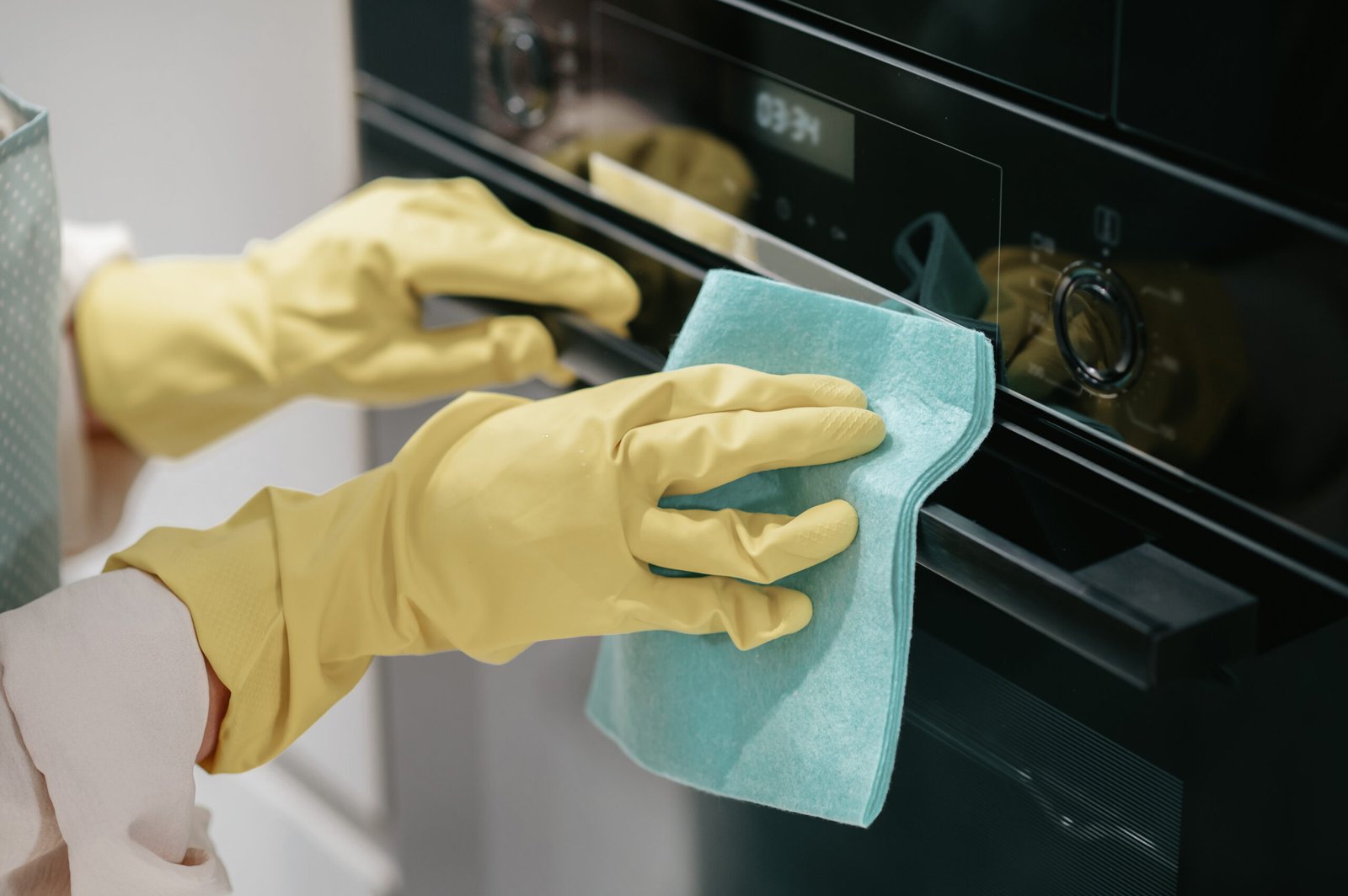
Clean your ovens regularly. Do not wait for a visible mess to run the self-clean cycle. A light cleaning every few weeks keeps grease from building up and causing smoke during cooking. For ovens without self-clean, a quick wipe with a damp cloth after each use prevents major buildup.
Double Ovens for Special Cooking Needs
Holiday Cooking
A double oven was practically made for Thanksgiving. You can roast the turkey in the main oven at a low temperature while using the second oven for stuffing, pies, casseroles, and rolls. No more cold sides because everything had to wait for the turkey to finish. The meal comes together at the same time, which reduces stress and improves results.
Meal Prepping
If you batch cook for the week, a double oven cuts your prep time significantly. You can roast two different proteins at different temperatures simultaneously. Sheet pans of vegetables and a tray of baked oats can cook at the same time in two different ovens. What used to take three hours can now be done in less than two.
Baking and Bread Making
Serious bakers love double ovens because they can proof dough in one oven on a low setting while baking bread in the other. Multiple batches of cookies can go in at once with no waiting between rounds. If you bake often, a double oven with true convection in at least one cavity is a genuine upgrade to your output and quality.
Entertaining and Hosting
When you have guests over, a double oven removes one of the biggest stressors of hosting: timing. Appetizers stay warm in one oven while the main course finishes cooking in the other. Desserts can go in right when the main course comes out. Your guests will not notice the difference, but you absolutely will.
Common Mistakes to Avoid When Buying a Double Oven
Many buyers regret their purchase because of avoidable mistakes. Here are the most common ones:
Buying based on price alone. The cheapest double oven often has the fewest useful features and the lowest build quality. Pay a little more for better capacity, convection performance, and durability. It is an appliance you will use every single day for years.
Not checking the actual capacity. Manufacturers advertise total combined capacity, which can be misleading. Always look at each individual oven cavity size. A total capacity of 6.7 cubic feet might mean one oven at 4.7 and one at only 2 cubic feet. Make sure the secondary oven fits the pans you actually use.
Ignoring installation requirements. Some buyers purchase a double wall oven and then discover their cabinet cutout is the wrong size or their electrical panel cannot support the load. Always confirm installation requirements before purchase, not after.
Forgetting about ventilation. Built-in wall ovens produce heat that needs somewhere to go. Poor ventilation can damage your cabinets over time. Check that the installation location has proper airflow per the manufacturer’s recommendations.
Choosing a style that does not fit your cooking habits. A wall oven is not better than a range by default. It depends on how you cook and how your kitchen is laid out. Be honest with yourself about what style actually fits your lifestyle.
Energy Efficiency and Your Double Oven
Running two ovens sounds like it would double your energy costs, but the reality is more nuanced. When you run both cavities simultaneously, yes, you use more energy than a single oven. However, when you use only one cavity, a good double oven is no less efficient than a single oven.
Convection cooking helps with energy efficiency because it reduces cooking time. The faster your food cooks, the less time the heating elements run. Some models carry the Energy Star certification, which means they meet strict energy efficiency standards set by the U.S. Environmental Protection Agency.
To reduce energy use, avoid opening the oven door frequently during cooking. Each time the door opens, the oven loses heat and must work harder to recover. Use the oven light and window to check on food instead.
Double Oven Maintenance: How to Keep It Running Well
A double oven is a long-term investment. Proper maintenance extends its life and keeps it working at its best.
Wipe spills immediately. Fresh spills are much easier to clean than baked-on residue. If something drips during cooking, let the oven cool and wipe it down before the next use. This habit alone prevents most major cleaning problems.
Check the door seal regularly. The rubber gasket around the oven door keeps heat inside. If it is cracked, torn, or loose, the oven loses efficiency and may not heat evenly. Replace a damaged gasket as soon as you notice it.
Run the self-clean cycle as needed. For most households, running the self-clean cycle every 3 to 4 months is enough. Remove the racks before running the cycle because the high heat can warp or discolor them. After the cycle completes and the oven cools, wipe out the ash with a damp cloth.
Inspect the heating elements. For electric ovens, visually check the heating elements occasionally. If you see cracks, bubbling, or uneven glowing, the element may need replacement. This is usually a straightforward repair that does not require a full appliance replacement.
Is a Double Oven Worth It?
This is the question most buyers end up asking themselves before they commit. The honest answer is: it depends on how you cook.
If you regularly cook for four or more people, host gatherings, bake frequently, or meal prep for the week, a double oven is absolutely worth the investment. The convenience it adds is not a small thing. It changes the entire experience of cooking, from stressful timing management to smooth, controlled execution.
If you live alone, rarely cook large meals, and your kitchen is already tight on space, a double oven may not add enough value to justify the cost. A high-quality single oven with convection might be the smarter buy for your situation.
For most families and home cooks who love food, the double oven pays for itself in cooking flexibility and reduced stress within the first year of ownership. It is one of those appliances that people often say they wish they had bought sooner.
Conclusion: Make the Smart Choice for Your Kitchen
A double oven is more than just extra cooking space. It is a practical tool that makes everyday cooking easier, faster, and far less stressful. From holiday meals to weekly meal prep, having two independent ovens at your disposal changes what you are capable of making and how confidently you can do it.
You now have a clear picture of the types available, what features to look for, which brands stand out, and how to measure your space correctly. You also know the common mistakes to avoid and how to maintain your investment for the long haul.
The next step is simple. Start by deciding whether a wall oven or a double oven range fits your kitchen layout better. Set a realistic budget that includes installation. Then compare two or three models from the brands mentioned in this guide. Read verified customer reviews and look for units that have been on the market long enough to have real-world feedback.
A double oven is one of the best kitchen upgrades you can make. When you are ready to buy, go in with the information you need, and you will not regret it.