Introduction
Americans spend more than 46 billion dollars on pizza every single year. That makes pizza the most popular food in the country by a wide margin. Most of that pizza comes from delivery boxes or frozen bags, and most of it is fine but not great. The people who have figured out how to make genuinely great pizza at home all have one thing in common. They cook at high heat.
The Blackstone pizza oven gives home cooks access to the kind of heat that makes restaurant quality pizza possible. Blackstone is already one of the most recognized names in outdoor cooking, famous for its flat top griddles that have taken over backyards across the country. Their pizza oven lineup brings that same practical, no nonsense approach to pizza making. High temperatures, fast cook times, and results that make people stop eating delivery for good.
In this guide, you will learn everything about the Blackstone pizza oven. We will cover the different models available, how to set one up, how to use it correctly, what mistakes to avoid, and how to get crispy, blistered, restaurant quality pizza at home. Whether you are buying your first pizza oven or upgrading from something else, this article gives you everything you need to make a smart decision and great pizza.
What Is the Blackstone Pizza Oven and Why People Love It
Blackstone Products is an American company founded in 2008 that became famous for its propane powered flat top griddles. Their products are built for real outdoor cooking, meaning they are tough, practical, and designed to handle regular use without falling apart. The Blackstone pizza oven carries those same values into the pizza space.
The Blackstone pizza oven is a propane powered outdoor pizza oven that reaches temperatures high enough to cook a pizza in just a few minutes. Depending on the model, it can reach between 700 and 900 degrees Fahrenheit, which is the temperature range used by serious pizzerias. At those temperatures, a thin crust pizza cooks in two to four minutes, developing a properly charred, blistered crust that you simply cannot get from a conventional home oven maxed out at 550 degrees.
People love the Blackstone pizza oven for several clear reasons. It is more affordable than most dedicated pizza ovens from competing brands. The setup is straightforward and takes just a few minutes. It runs on standard propane tanks, the same ones most people already own for their grills. Cleanup is minimal compared to wood fired ovens. And the results, when used correctly, are genuinely impressive for a product at this price point
The Different Blackstone Pizza Oven Models Available
Blackstone has released several pizza oven options over the years, and knowing the differences between them helps you pick the right one for your needs. The lineup has evolved, but the core options generally fall into a few categories.
The Blackstone Pizza Oven 15 inch is one of the most popular standalone models. It is a compact, tabletop propane oven designed to sit on any flat surface. The 15 inch cooking surface accommodates a personal to medium sized pizza, which is perfect for cooking one pizza at a time for a small household. It heats up in about ten to fifteen minutes and reaches temperatures well above 700 degrees Fahrenheit. This model is lightweight, easy to carry, and a solid entry point for someone new to outdoor pizza cooking.
The Blackstone Pizza Oven attachment is a different kind of product entirely. Rather than a standalone unit, it is designed to attach to an existing Blackstone griddle, specifically models with a rear burner or the Blackstone Cooking Station. This attachment sits over the griddle and converts it into a pizza oven using the griddle’s heat source combined with its own heating element. It is a clever option for people who already own a Blackstone griddle and want to add pizza making capability without buying a completely separate unit.
Blackstone has also offered larger format pizza ovens that accommodate 16 inch pizzas and include features like rotating pizza stones, which automatically spin the pizza during cooking for more even results. The rotating stone is a feature borrowed from commercial pizza ovens and solves one of the most common problems in home pizza making, which is hot spots that cause uneven cooking and burning on one side.
How the Blackstone Pizza Oven Heats Up and Works
The mechanics of the Blackstone pizza oven are worth understanding because they directly affect how you use it and the results you get. This is not a complicated appliance, but knowing how the heat works helps you cook better pizza from day one.
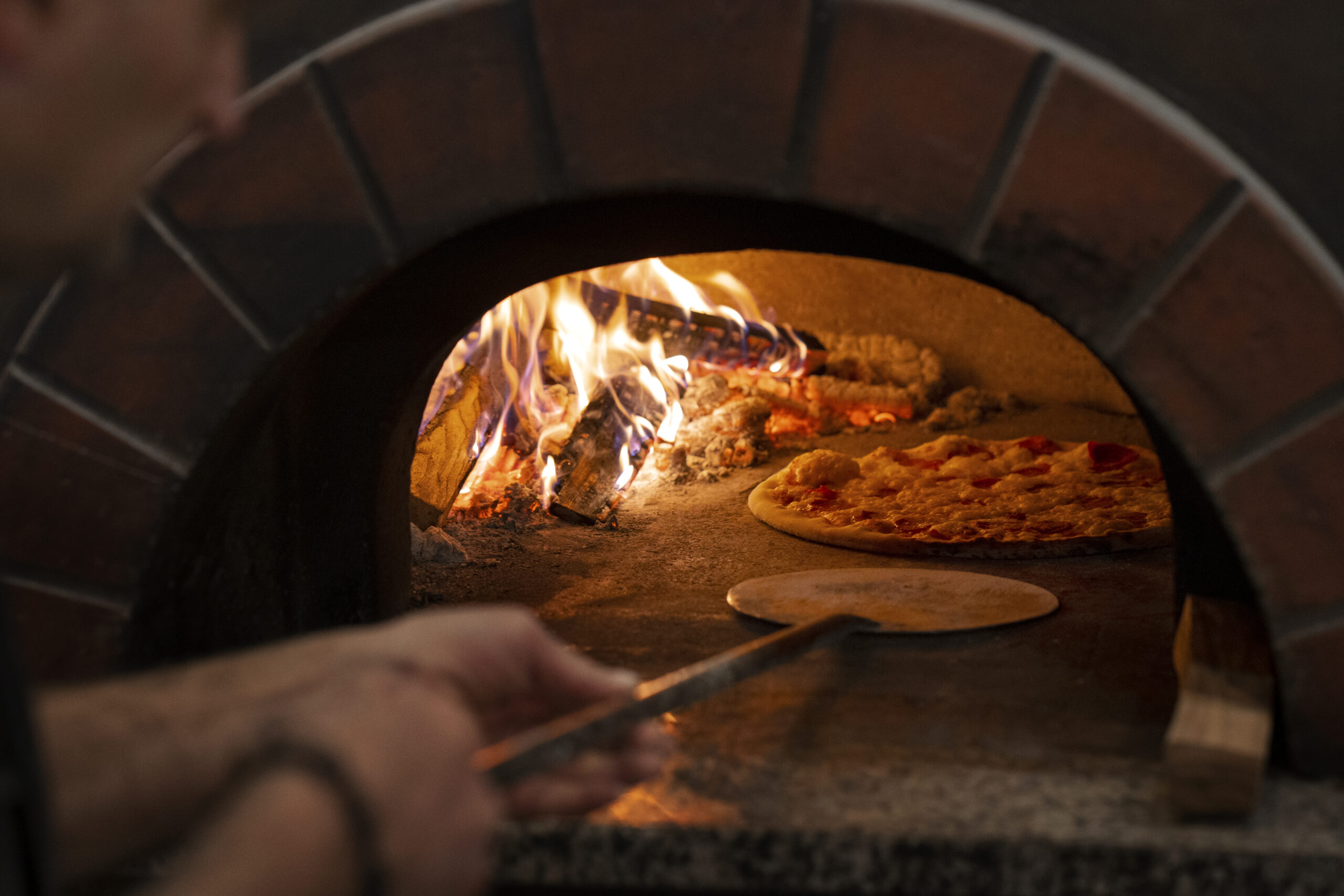
The oven uses a propane burner positioned at the back or beneath the cooking chamber. When ignited, the burner creates a flow of hot air that circulates inside the enclosed cooking space. The enclosed dome or hood traps this heat and reflects it back down onto the pizza. This combination of direct heat from below and reflected heat from above mimics the cooking environment of a traditional wood fired oven.
The pizza stone inside the oven is the most important component. It is made from cordierite or a similar refractory material that absorbs and stores heat. When you slide a pizza onto the preheated stone, the stored heat transfers directly into the bottom of the dough. This is what creates the crispy, slightly charred underside that defines great pizza crust. A cold or underheated stone produces a soggy, soft bottom regardless of how hot the air temperature inside the oven is.
Temperature control is managed by adjusting the propane burner output. Most Blackstone pizza ovens have a simple control knob that ranges from low to high. For pizza, you generally want the burner at high during preheat and then adjust based on how quickly things are cooking once the pizza is inside. Learning your specific oven’s behavior takes a cook or two, but after that the process becomes very predictable.
How to Set Up the Blackstone Pizza Oven Correctly
Setting up the Blackstone pizza oven is genuinely simple. There are no complicated assembly steps or specialized tools required. Here is exactly how to do it.
Start by placing the oven on a stable, level, heat resistant surface. A heavy duty outdoor table, a concrete patio, or a dedicated cart all work well. Make sure there is at least two feet of clearance above the oven and several feet of clearance on all sides from anything flammable. Wood fences, patio umbrellas, and overhanging tree branches are all hazards to be aware of. Always use the oven outdoors in a well ventilated area.
Connect the propane hose to your propane tank and check for leaks. Apply a small amount of soapy water to all the connection points and open the propane valve slowly. If you see bubbles forming at any connection, close the valve immediately and tighten the connection before trying again. Never use a propane appliance with a leak. Once you confirm there are no leaks, you are ready to light the burner according to the manufacturer’s instructions, which typically involves pressing and turning the ignition knob.
Allow the oven to preheat for at least 15 to 20 minutes before cooking anything. This is not optional. The stone inside the oven needs to absorb heat fully before it can cook the bottom of your pizza properly. Many people make the mistake of putting a pizza in after just five or ten minutes and then wonder why the crust is soft and undercooked in the middle. Give the oven time to fully saturate with heat and your results will be dramatically better.
Step by Step Guide to Cooking Pizza in the Blackstone Pizza Oven
Once your oven is fully preheated, cooking a pizza is fast and satisfying. The process takes some practice to perfect, but these steps will get you to great results quickly.
Prepare Your Pizza Before the Oven Is Ready
Shape your dough and add toppings while the oven is preheating. Do not put toppings on and then wait for the oven to finish heating up. If the pizza sits with toppings for too long before cooking, the moisture from the sauce soaks into the dough and makes the crust wet and heavy. Aim to have everything assembled and ready to go just as the oven hits full temperature.
Use a lightly floured or semolina dusted pizza peel to build your pizza. Semolina works better than flour as a release agent because the small round granules act like tiny ball bearings and help the pizza slide off the peel cleanly. Test that the pizza moves freely on the peel before opening the oven. Give the peel a gentle shake and watch the pizza glide slightly. If it sticks, gently lift the edges and add more semolina underneath.
Launch the Pizza Correctly
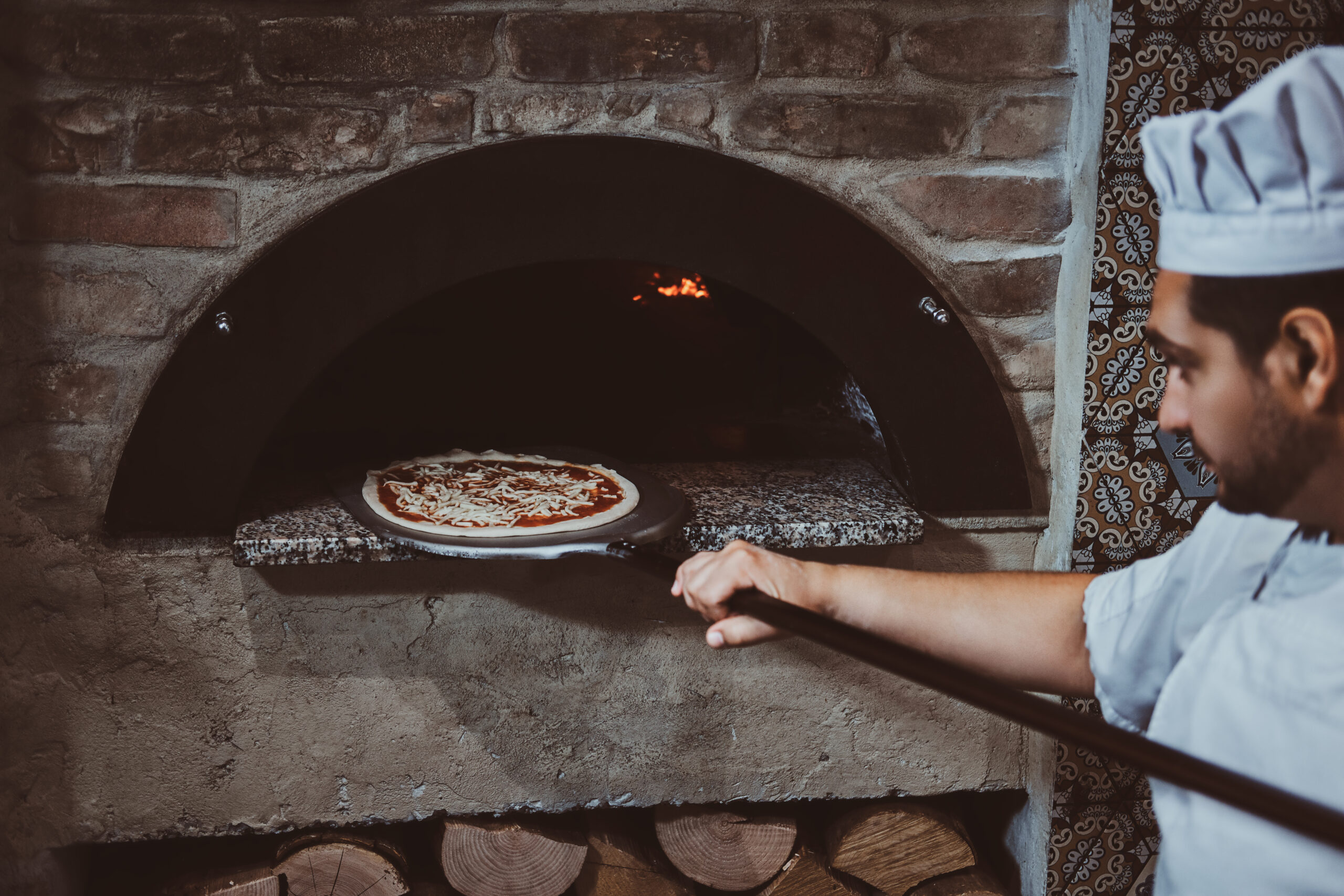
Opening the oven and sliding the pizza onto the stone in one smooth motion is called a launch, and it is a skill worth practicing. Hold the peel at a slight downward angle, slide it into the oven until the front edge of the pizza is just over the stone, and then pull the peel back quickly with a short, sharp motion. The pizza should land squarely on the stone without folding or sliding too far.
If this feels intimidating at first, practice with a piece of bread or a thin piece of cardboard before using real dough. Getting comfortable with the peel launch saves you from dropped pizzas and frustration. Some people prefer a perforated metal peel for launching because the holes reduce the surface area that the dough contacts, which makes sliding easier.
Monitor and Rotate During Cooking
Once the pizza is on the stone, close the oven and watch it closely. At full temperature, a pizza can be ready in two to four minutes. Check it after 90 seconds by opening the oven briefly and looking at the crust color. Rotate the pizza 180 degrees halfway through cooking to compensate for any hot spots in the oven. Use a turning peel or a pair of long tongs to do this safely without touching the hot oven surfaces.
Look for a golden to lightly charred crust edge, bubbles and browning on the top cheese, and sauce that has reduced and darkened slightly. These are the signs that the pizza is done. Remove it with the peel, let it rest for two minutes before cutting, and serve immediately. Pizza from a hot oven cools faster than you expect, so have plates ready.
The Best Pizza Dough for the Blackstone Pizza Oven
The oven is only half the equation. The dough you use makes an enormous difference in the final result. A great oven cannot save bad dough, and good dough rewards a great oven with outstanding results.
For high heat pizza ovens like the Blackstone, a Neapolitan style dough is the gold standard. This dough is made from just four ingredients: flour, water, salt, and yeast. No oil. No sugar. No additives. The simplicity is the point. Neapolitan dough ferments slowly, usually for at least 24 hours and ideally 48 to 72 hours in the refrigerator. This long fermentation develops complex flavor and creates a dough that handles high heat beautifully, producing those signature charred bubbles and a light, airy crust with a slight chew.
Use high protein flour for the best results. Tipo 00 flour, which is a finely ground Italian flour with a high protein content, is the preferred choice for Neapolitan style pizza. It creates a smooth, extensible dough that stretches easily without tearing and holds up well to high heat. All purpose flour also works and produces good results, though the texture is slightly different. Bread flour is another solid option.
Keep your dough balls at room temperature for at least 30 minutes before stretching them. Cold dough is tight and springy, which means it snaps back every time you try to stretch it. Warm dough relaxes and extends easily into a thin, even round. This one step eliminates most of the frustration that beginners feel when working with pizza dough for the first time.
Common Mistakes People Make With the Blackstone Pizza Oven
Even good cooks make these mistakes when they first start using a high heat pizza oven. Knowing them ahead of time saves you from wasted ingredients and disappointing results.
Not preheating long enough is the most common mistake by far. Fifteen minutes is the minimum. Twenty minutes is better. If you are cooking multiple pizzas back to back, give the stone a few minutes to recover between each one. The stone loses heat every time you put a cold pizza on it. Cooking a second pizza immediately after the first without a recovery period often results in a soggy bottom.
Overloading the pizza with toppings is another frequent error. High heat pizza cooking is not forgiving of excess moisture. Too much sauce, too many vegetables, or an overgenerous layer of fresh mozzarella all release water when heated, which steams the crust from above and prevents proper browning. Less is more. Use a thin, even layer of sauce, a modest amount of cheese, and no more than two or three toppings. Save the heavy loaded pizzas for the conventional oven.
Using too much flour on the peel causes burning. The excess flour that does not go with the pizza falls onto the hot stone and burns immediately, creating black spots and a bitter taste on subsequent pizzas. Use semolina instead of flour, and use as little of it as possible while still ensuring the pizza slides freely.
Skipping the rotation mid cook leads to uneven results. Most home pizza ovens have hot spots, and the Blackstone is no exception. Rotating the pizza ensures that every part of the crust gets equal exposure to the heat. This takes about three seconds and makes a real difference in the final product.
Blackstone Pizza Oven vs Other Popular Pizza Ovens
The outdoor pizza oven market has grown dramatically in recent years. Brands like Ooni, Gozney, and Solo Stove all compete in the same space. Understanding how the Blackstone compares helps you decide whether it is the right choice for you.
| Feature | Blackstone Pizza Oven | Ooni Koda 16 | Gozney Roccbox |
|---|---|---|---|
| Fuel Type | Propane | Propane or wood | Propane or wood |
| Max Temperature | 700 to 800°F | 950°F | 950°F |
| Pizza Size | Up to 15 or 16 inches | Up to 16 inches | Up to 12 inches |
| Price Range | $100 to $300 | $499 | $499 |
| Weight | 20 to 30 lbs | 40 lbs | 44 lbs |
| Rotating Stone | Available on some models | No | No |
| Brand Reputation | Outdoor griddles | Pizza ovens | Pizza ovens |
The Blackstone pizza oven is the most affordable option in this comparison. That is a real advantage for someone who wants to try outdoor pizza cooking without spending 500 dollars. The tradeoff is that the maximum temperature is somewhat lower than the Ooni or Gozney, which means slightly longer cook times and a result that is very good but may not quite reach the peak performance of higher end dedicated pizza ovens.
For most casual pizza cooks, the Blackstone delivers excellent results at a fraction of the cost of premium competitors. If you are a pizza enthusiast who plans to cook multiple pizzas every week and wants to perfect a Neapolitan style crust with proper leopard spotting and char, you might eventually want to upgrade to a higher temperature oven. But for a first outdoor pizza oven or for someone who cooks pizza occasionally, the Blackstone is a genuinely solid choice.
What Else You Can Cook in the Blackstone Pizza Oven
Pizza is the obvious star of the show, but the Blackstone pizza oven is capable of much more than just pizza. Any food that benefits from intense, dry heat cooks well in this oven.
Flatbreads and naan cook in under two minutes at high heat and come out beautifully charred and puffed. They make excellent quick starters or side dishes when you are already firing the oven for pizza. Pita bread also works perfectly and puffs up dramatically in the intense heat, creating a perfect pocket for stuffing.
Vegetables roast extremely well in a high heat oven. Asparagus, bell peppers, cherry tomatoes, and zucchini can be placed in a cast iron pan or on a small baking tray inside the oven. The intense heat chars the edges and concentrates the natural sugars in the vegetables in a matter of minutes. The results are far more flavorful than anything you get from roasting in a conventional oven at 400 degrees.
Calzones, stromboli, and stuffed breads all cook beautifully in the Blackstone. The high heat sets the outside crust quickly while the residual heat finishes cooking the filling. Smaller items like garlic bread, bruschetta, and even baked cookies in a cast iron skillet are also fun to experiment with once you are comfortable with the oven. The key with any non pizza item is to monitor closely because everything cooks much faster than you expect at these temperatures.
How to Clean and Maintain the Blackstone Pizza Oven
Keeping your Blackstone pizza oven in good condition is not difficult, but regular maintenance makes a real difference in how well it performs and how long it lasts.
The pizza stone requires the most attention. Never use soap or water to clean a pizza stone. Water can crack a stone that is still warm, and soap absorbs into the porous material and affects the flavor of food. Instead, use a stiff bristled oven brush to scrape off any burned food or cheese residue while the stone is still slightly warm, not scorching hot, just comfortably warm. For stuck on material, heat the stone back up fully and let the high heat burn off the residue, then brush it away.
The exterior of the oven can be wiped down with a damp cloth once it has cooled completely. Grease and food splatter on the exterior should be cleaned after every use to prevent buildup that becomes harder to remove over time. Stainless steel surfaces can be treated with a small amount of food safe mineral oil to prevent rust, especially if you live in a humid climate or near the coast where salt air accelerates corrosion.
Store the oven in a dry place or cover it with a waterproof cover when not in use. Moisture is the enemy of both the stone and the metal components. Blackstone makes purpose built covers for their products, or you can find universal outdoor appliance covers that fit well. A covered oven lasts significantly longer than one left exposed to weather.
Tips for Getting the Best Results From Your Blackstone Pizza Oven
These tips come from real experience with high heat pizza cooking. Each one makes a measurable difference in the quality of your pizza.
Use an infrared thermometer to check the stone temperature before cooking. An infrared thermometer gives you a precise reading of the stone surface temperature without having to guess or use the flour test. You want the stone to read at least 650 degrees Fahrenheit before you launch your first pizza. These thermometers cost under 20 dollars and are extremely useful for pizza cooking as well as other grilling and cooking tasks.
Stretch your dough by hand, not with a rolling pin. A rolling pin presses out the gas bubbles that developed during fermentation. Those bubbles are what create the light, airy texture in a properly made crust. Hand stretching preserves them. If the dough keeps springing back when you try to stretch it, let it rest for another five to ten minutes and try again. Patience with the dough always pays off.
Less sauce is always better than more. Measure your sauce in tablespoons, not cups. A 12 inch pizza needs about three to four tablespoons of sauce spread in a thin, even layer. This feels like almost nothing the first time you do it, but it is correct. Too much sauce prevents the crust from crisping properly and makes the pizza soggy and heavy.
Invest in a good pizza peel. The cheap thin aluminum peels that come with some kits are functional but frustrating to use. A wooden peel with a long handle makes launching pizza much easier and keeps your hands well away from the heat. A separate smaller metal turning peel makes rotation and removal simple and safe.
Is the Blackstone Pizza Oven Worth Buying
This is the question that matters most, and the honest answer is yes, for the right person. The Blackstone pizza oven is not perfect. It does not reach the extreme temperatures of premium competitors. Some models have had feedback about inconsistent heat distribution. The capacity is limited to one pizza at a time on most models.
But it costs significantly less than comparable products from Ooni or Gozney. It is built by a brand with a strong track record in outdoor cooking. The setup is simple, the learning curve is manageable, and the pizza it produces is genuinely much better than anything you can make in a conventional home oven. For families who want to make outdoor pizza a regular part of summer cooking, it delivers real value.
If you already own a Blackstone griddle, the pizza oven attachment is a particularly smart purchase. It adds a versatile cooking function to hardware you already own at a low additional cost. The combination of a flat top griddle and a pizza oven in one backyard setup covers an extraordinary range of cooking possibilities.
For the price, the Blackstone pizza oven is one of the best entry points into outdoor high heat pizza cooking available right now.
Frequently Asked Questions About the Blackstone Pizza Oven
People searching for information about the Blackstone pizza oven tend to have the same questions. Here are clear, direct answers to the most common ones.
How long does it take to preheat the Blackstone pizza oven? Most models take 15 to 20 minutes to fully preheat. The stone needs more time than the air temperature inside the oven, so always wait the full time before cooking.
What size pizza can you make in the Blackstone pizza oven? Depending on the model, the Blackstone accommodates pizzas up to 15 or 16 inches in diameter. Smaller pizzas, in the 10 to 12 inch range, are easier to manage and cook more evenly in most models.
Can you use the Blackstone pizza oven in the rain? No. Using any propane appliance in rain or wet conditions is unsafe and can damage the oven. Always cook in dry weather or under a proper covered patio structure that keeps the oven dry.
Does the Blackstone pizza oven come with a pizza stone? Yes. All standalone Blackstone pizza ovens include a pizza stone as part of the unit. The attachment options may or may not include a stone depending on the specific product, so check the product listing carefully before buying.
Can you use wood in the Blackstone pizza oven? No. The standalone Blackstone pizza ovens are propane only. They are not designed to burn wood or charcoal. If you want a wood option, the Ooni Fyra or similar wood pellet ovens are designed for that purpose.
Conclusion
The Blackstone pizza oven gives everyday home cooks access to genuinely high heat pizza cooking at a price point that makes sense for most families. It is practical, straightforward to set up, easy to use after a small learning curve, and capable of producing pizza that is far better than anything you can make in a regular kitchen oven.
The key to great results is simple. Preheat fully. Use good dough. Keep toppings light. Rotate during cooking. Clean the stone properly. Follow these basics and the Blackstone pizza oven will reward you with crispy, blistered, restaurant quality pizza in your own backyard.
If you are ready to stop paying for mediocre delivery pizza and start making something you are genuinely proud of, the Blackstone pizza oven is a smart first step. Check the current models and prices at Blackstone’s official website, read the user reviews for the specific model you are considering, and pick up an infrared thermometer and a good wooden peel while you are at it. Your first backyard pizza night is closer than you think.