Introduction
A gas oven with hob is still one of the most popular kitchen appliances in homes around the world. In the United Kingdom alone, more than half of all households use gas for cooking. That number shows how much people trust gas for fast heat, precise control, and reliable results.
Buying a gas cooker with hob is a bigger decision than many people realize. The wrong model can waste energy, take up too much space, or make cooking feel like a chore. A good model can speed up your meals, lower your bills, and make your kitchen look better.
This guide explains what you need to know before you pay. You will learn about sizes, features, safety, costs, and common mistakes. By the end, you will feel ready to choose the best gas oven with hob for your home.
What Is a Gas Oven with Hob?
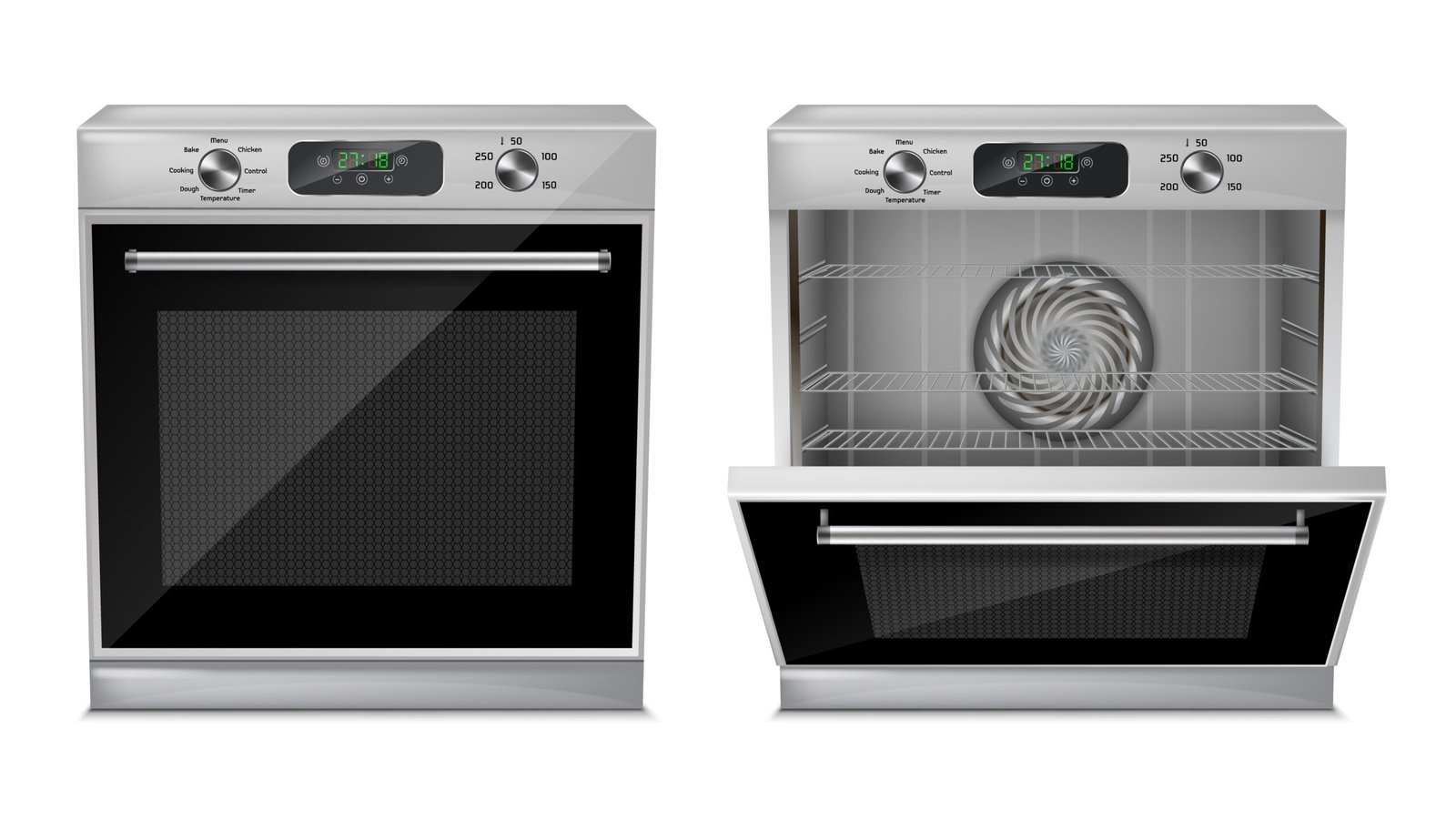
A gas oven with hob combines a cooktop and an oven in one unit. The hob sits on top and uses gas burners to heat pots and pans. Below it, the oven uses gas to bake, roast, or grill your food.
You may hear people call it a gas cooker with hob, a gas stove oven, or a gas range cooker. All of these names mean roughly the same thing. The exact shape and size can change, but the basic idea stays the same.
This kitchen appliance gives you everything you need to cook full meals in one place. You can boil pasta on the hob while a chicken roasts in the oven. That saves time and keeps your kitchen organized.
Why Choose a Gas Oven with Hob?
Gas cooking has real advantages over electric cooking. The heat starts instantly when you turn the burner on. You can see the flame and adjust the heat with great precision. When you turn the burner off, the heat stops right away.
That control matters for many recipes. Simmering a sauce, searing a steak, and frying eggs all work better when you can change the heat quickly. Electric hobs often take longer to heat up and cool down.
A gas oven with hob also works during power cuts in many cases. As long as you have a manual ignition option, you can still cook. That reliability gives many homeowners peace of mind.
Types of Gas Ovens with Hobs
Not every gas oven with hob looks the same. The main types include free standing gas cookers, built in gas ovens with separate hobs, and gas range cookers.
A free standing gas cooker stands alone and fits between your kitchen cabinets. It is the easiest type to install and the most common choice for family homes. Most models are 60cm wide, which fits standard kitchen spaces.
A built in gas oven sits inside a cabinet, while the hob sits separately on the counter. This setup looks more custom and saves space. It usually costs more and needs professional installation.
A gas range cooker is wider and often has two ovens plus a large hob. These suit bigger kitchens and families who cook large meals often. They take up more room but offer more cooking power.
Size and Space: Measure Before You Shop
The most common size for a gas oven with hob is 60cm wide. That width fits most standard kitchen gaps. Some compact models are 50cm wide, while range cookers can be 90cm or more.
Before you buy, measure the space in your kitchen. Check the width, depth, and height. Leave a little extra room at the back for the gas pipe. Make sure the door can open fully without hitting a wall or cabinet.
Do not forget to measure your doorways too. You need to get the cooker into your house before you can install it. A common mistake is buying a perfect model that will not fit through the front door.
Burner Power and Hob Layout
The hob on top of your gas cooker with hob should match the way you cook. Most models have four burners in different sizes. You will usually find small burners for simmering, medium burners for general cooking, and a large burner for boiling big pots quickly.
Burner power is measured in kilowatts. A powerful burner might reach 3kW or more, while a small simmer burner might be 1kW.
More power means faster boiling, but it also uses more gas. Think about what you cook most often.
Some hobs place the burners close together. If you use large pans, make sure the layout gives enough space. Crowded burners make cooking with multiple pots frustrating.
Oven Capacity and Cooking Functions
Oven capacity is measured in liters. A standard gas oven with hob usually offers between 60 and 70 liters. That is enough for a medium sized turkey or several trays of food.
Think about how many people you cook for. Couples may be fine with a smaller oven. A family of four or more will appreciate extra space. If you bake often, look for shelves that adjust easily.
Some ovens include a grill function, a fan assisted oven mode, or both. A grill lets you brown food or make quick snacks. Fans spread heat evenly for better baking. These features add flexibility to your cooking.
Safety Features You Should Not Skip
Gas safety should be a top priority. Look for a flame failure device on every burner. This device cuts off the gas if the flame goes out. It protects you from gas leaks and accidents.
Some models also have a safety lock on the oven door. This helps if you have young children in the home. Others include an automatic shut off timer.
Make sure the cooker has sturdy feet so it does not tip forward when you open a hot oven. A glass lid on the hob can add extra protection when the burners are off. These small details make a big difference.
Gas Type: Natural Gas or LPG
Most gas ovens with hobs run on natural gas from the mains supply. If your home does not have a natural gas connection, you may need an LPG model. LPG stands for liquefied petroleum gas and comes in bottles.
Some cookers can convert between natural gas and LPG with a special kit. This is useful if you move house or switch supply types. Always ask a qualified gas engineer to do the conversion.
Using the wrong gas type can damage the cooker and create safety risks. Check the label carefully before you buy. If you are unsure, ask the seller or a professional installer.
Ignition Type: Manual or Automatic
Gas burners need a spark to light. Some models use manual ignition, which means you use a separate lighter or match. Others use automatic ignition built into the control knob.
Automatic ignition is more convenient. You turn the knob and the burner lights on its own. Manual ignition is simpler but can feel old fashioned. Some people prefer it because it works during power cuts.
If you choose automatic ignition, ask whether it needs electricity. Most do. If your area has frequent outages, a manual backup can be useful.
Build Quality and Materials
A good gas oven with hob should feel solid. Check the door hinges, the control knobs, and the pan supports. Cheap models may rattle, wobble, or feel flimsy.
Cast iron pan supports are strong and last a long time. They also hold heavy pots without moving. Enamel oven interiors are easy to wipe clean. Some newer models have catalytic liners that absorb grease.
Stainless steel looks modern and resists stains. Black or white finishes can match different kitchen styles. Choose a finish that fits your decor and hides fingerprints if that matters to you.
Cleaning and Maintenance
Cooking creates grease, spills, and crumbs. Your gas cooker with hob should be easy to clean. Look for removable burner caps and supports that you can wash in the sink.
An enamel interior wipes clean with a damp cloth. Catalytic liners help break down grease when the oven runs at high heat. These features save time and keep your cooker looking fresh.
You should also service your gas appliance regularly. A gas safe engineer can check the burners, pipes, and safety devices. This keeps the cooker running well and protects your home.
Energy Efficiency and Running Costs
Gas is usually cheaper per unit than electricity. That means a gas oven with hob can cost less to run than an electric cooker. Over a year, the savings can add up, especially if you cook every day.
Look for the energy rating label. A rated appliances use less energy than lower rated ones. While the rating is often given for the electric oven parts, it still gives a useful guide.
Running costs also depend on your local gas prices. If you use LPG, remember to factor in bottle refills. Think about both the purchase price and the long term cost when you budget.
Installation: What You Need to Know
A gas cooker must be installed by a qualified professional. In many places, only a registered gas engineer can legally connect a gas appliance. Do not try to do it yourself.
The installer will check your gas supply, ventilation, and safety. That person will make sure the cooker is level and secure. They will also test for leaks before they leave.
Ask about installation costs before you buy. Some sellers include installation for free. Others charge extra. You may also need to pay to remove your old cooker.
How Much Should You Spend?
Prices for a gas oven with hob vary widely. Basic models start around a few hundred dollars or pounds. Mid range models cost more but add better features and build quality. Premium brands can cost over a thousand.
Set a budget before you shop. Decide which features matter most to you. Do not pay extra for functions you will never use.
A higher price does not always mean better cooking. Read reviews and compare specifications. Sometimes a mid priced model performs just as well as a luxury one.
Comparing Brands and Models
Many brands make gas cookers with hobs. Some focus on low prices. Others focus on style, reliability, or advanced features. Popular names include Hotpoint, Beko, Indesit, Zanussi, Bosch, and Rangemaster.
Read customer reviews to learn about real world performance. Look for comments about burner power, oven temperature accuracy, and durability. A few bad reviews are normal, but repeated complaints about the same issue are a warning sign.
Warranty length also matters. A longer warranty shows the brand trusts its product. Keep your receipt and register the appliance after purchase.
Common Mistakes Buyers Make
Many people buy a gas oven with hob without measuring their kitchen. They get home and find it does not fit. Always measure first.
Others choose the cheapest model and regret it later. A very low price can mean weak burners, poor insulation, or flimsy parts. Balance cost with quality.
Some buyers forget to check the gas type. If your home uses LPG and the cooker is set for natural gas, you will need a conversion kit. Some buyers also ignore ventilation needs. Gas cookers need fresh air to burn safely.
Who Should Buy a Gas Oven with Hob?
A gas cooker with hob works well for many homes. Families benefit from fast heating and large oven capacity. Home cooks love the precise flame control. People without a reliable electricity supply appreciate the backup option.
Renters may prefer a free standing gas cooker because it is easy to move. Homeowners doing a full kitchen renovation might choose a built in gas oven and separate hob for a custom look.
People who rarely cook may prefer a smaller model. Those who host dinner parties or batch cook should consider a larger range cooker. Match the appliance to your lifestyle.
Cookware That Works Best on Gas Hobs
Gas hobs work with most types of cookware. The best pots and pans have flat bases that sit evenly on the pan supports. Wobbly or warped bases waste heat and cook food unevenly.
Stainless steel, cast iron, and heavy aluminum all perform well. Thin pans heat up fast but can create hot spots. Thick bases spread heat more evenly and protect delicate sauces.
Avoid very small pans on large burners. They can tip over or waste gas around the edges. Match the pan size to the burner size for the best results. This simple habit improves safety and saves fuel.
Timers and Extra Features Worth Paying For
Some gas ovens with hobs include timers, minute minders, and delayed start functions. A timer beeps when your cooking time ends. This helps prevent burnt food and overcooked meals.
A minute minder is useful for side dishes and quick tasks. Delayed start lets you set the oven to turn on later. That feature works well for busy households that want dinner ready when they get home.
Not everyone needs smart features. Basic controls may be enough if you mostly cook simple meals. People who bake often or juggle multiple dishes will find timers add real convenience.
Should You Buy New or Used?
A second hand gas oven with hob can save money. You might find a good deal from someone renovating their kitchen. However, used appliances come with risks.
You may not know the full history of a used cooker. Hidden gas leaks, worn seals, or broken safety devices can be dangerous. A professional inspection costs money and may reveal problems that wipe out your savings.
New gas cookers with hobs come with warranties and clear safety standards. You also get the latest energy ratings and features. For most buyers, the peace of mind is worth the extra cost.
How to Spot a Good Deal
Good deals do exist if you know where to look. Shop during holiday sales or end of season clearances. Retailers often discount last year’s models to make room for new stock.
Compare prices across several stores before you commit. Some shops price match competitors. Others offer free delivery or installation bundles.
Do not let a low price rush you. Read the full product description and return policy. A cheap gas oven with hob that breaks after a year is no bargain.
Final Checklist Before You Pay
Before you hand over your money, run through this quick checklist. Make sure the cooker fits your space and confirm the gas type matches your home. Check that it has a flame failure device on every burner and read recent customer reviews.
Compare warranty terms and ask about installation costs.
If you buy online, check the return policy too. Large appliances can be hard to send back. Make sure you know who pays for return shipping if something goes wrong.
A little research now can save you a lot of trouble later. The best gas oven with hob is the one that fits your kitchen, your budget, and the way you cook.
Conclusion
Buying a gas oven with hob does not have to be stressful. Start by measuring your kitchen and thinking about how you cook. Focus on safety, burner power, oven size, and running costs. Compare models honestly and read real reviews from other buyers.
The right gas cooker with hob will serve your family for many years. It will make cooking faster, easier, and more enjoyable. Take your time, ask questions, and do not rush the decision.
Remember to book a qualified installer before delivery day. Some sellers offer installation bundles, while others expect you to arrange it yourself. Planning ahead prevents delays and keeps your kitchen safe.
If you are ready to buy a gas oven with hob, start comparing trusted models today. Measure your space, set your budget, and choose the cooker that meets your needs. A better cooking experience is closer than you think.